Mike Tyson went plant-based in 2010 and lost over 45 kg. What the trials say about vegan diets and weight
After retirement, the former heavyweight champion weighed well over 150 kg and had high blood pressure. He credits a vegan diet with turning it around. What controlled trials show.
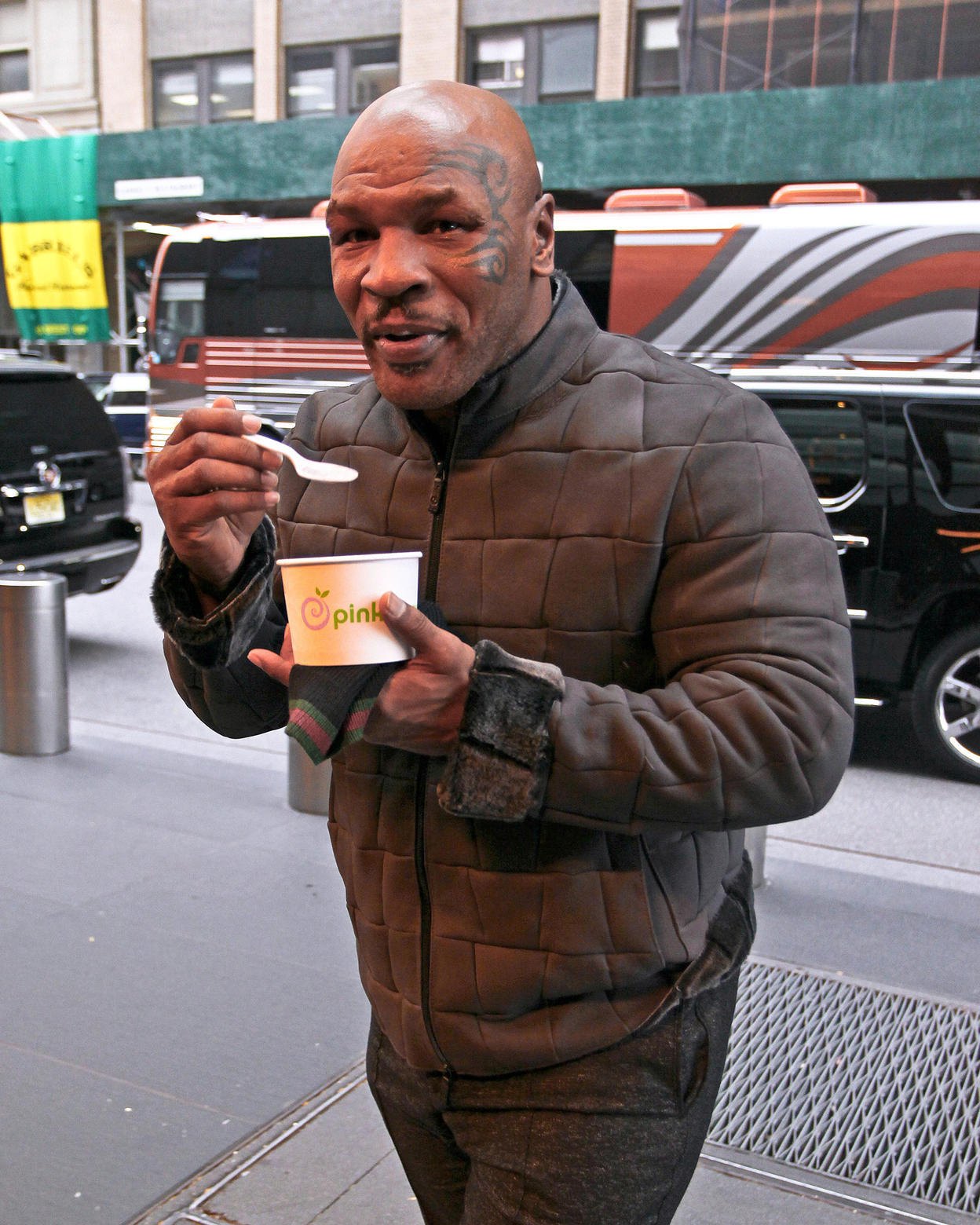
After his last fight in 2005, Mike Tyson's health declined. He has described eating meat and drinking heavily, weighing well over 150 kg (330 lb), and said he had high blood pressure and arthritis.
In 2010 he changed his diet. "I lost weight, I dropped over a hundred pounds," he told Oprah Winfrey in 2013. "I just felt like changing my life, doing something different and I became a vegan." He credited the change with giving him "another opportunity to live a healthy life." At 54, in 2020, he returned to the ring for an exhibition against Roy Jones Jr.
What he did
Tyson cut out meat, dairy and eggs and ate a plant-based diet built on vegetables, fruit, grains and legumes. He combined it with walking and gradually more training as his weight fell. He has described feeling clearer and more focused, and said his blood pressure and joint pain improved.
He also linked the change to sobriety. His health turnaround was not only about food, and his account is that of one man. But it matches what trials show.
What the research says
In a 2005 trial in The American Journal of Medicine, Neal Barnard's team assigned 64 overweight women to a low-fat vegan diet or a diet following the National Cholesterol Education Program guidelines for 14 weeks, without calorie limits. The vegan group lost 5.8 kg (12.8 lb) on average, against 3.8 kg (8.4 lb). The trial was in women, but the mechanism applies to men: plant-based diets are high in fibre and low in energy density, so most people eat fewer calories without counting.
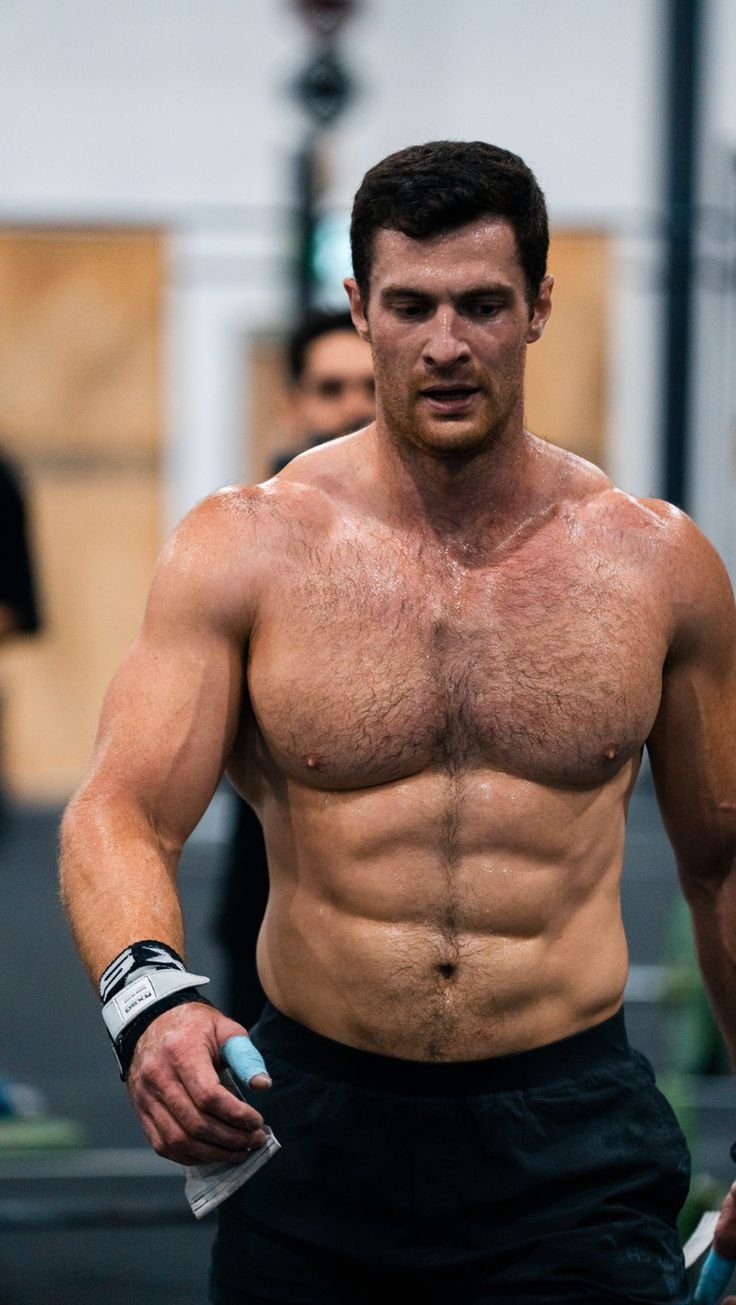
The worry for men who train is muscle. A 2021 trial in Sports Medicine, led by Victoria Hevia-Larraín in Brazil, put young men on either a vegan or an omnivorous diet with the same protein intake of 1.6 g per kg per day during 12 weeks of strength training. Gains in leg lean mass and muscle size were similar in both groups. With enough protein, a vegan diet did not hold back muscle growth.
How to apply it
- Build meals around legumes. Beans, lentils, chickpeas, tofu and tempeh at every main meal.
- Hit the protein number. About 1.6 g per kg of body weight a day. A pea or soy protein shake helps.
- Supplement vitamin B12. It is not reliably available from plants.
- Eat whole foods first. Vegan junk food is still junk food.
- Try it half-way. Even replacing meat at most meals moves the needle on weight and blood pressure.
Tyson's change was personal and extreme. The principle, more plants and more fibre with enough protein, works for any man.
Sources
- Oprah: Where Are They Now?, OWN, April 2013
- ABC News interview with Mike Tyson, 2013
- Barnard ND et al. The effects of a low-fat, plant-based dietary intervention on body weight, metabolism, and insulin sensitivity. The American Journal of Medicine, 2005. doi:10.1016/j.amjmed.2005.03.039
- Hevia-Larraín V et al. High-protein plant-based diet versus a protein-matched omnivorous diet to support resistance training adaptations: a comparison between habitual vegans and omnivores. Sports Medicine, 2021. doi:10.1007/s40279-021-01434-9