The wall sit lowered blood pressure more than any other exercise in 270 trials
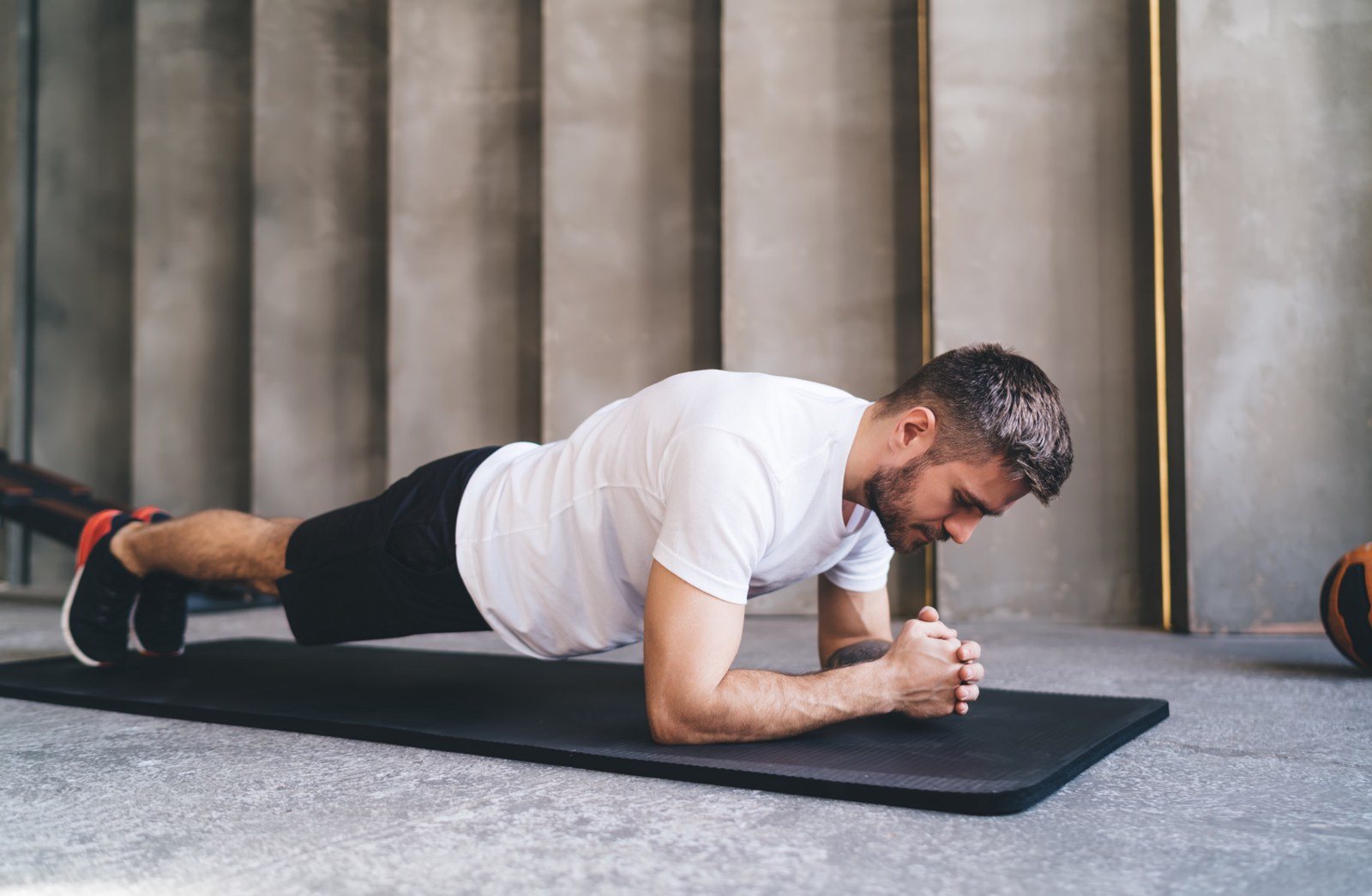
A network meta-analysis of 15,827 participants found that static exercises such as the wall sit and the plank produced the largest reductions.
For decades, aerobic exercise such as walking, running and cycling has been the standard recommendation for lowering blood pressure. A large analysis published in 2023 suggests a less obvious option works best.
Jamie Edwards and colleagues at Canterbury Christ Church University published the study in the British Journal of Sports Medicine. They analysed 270 randomised controlled trials published between 1990 and February 2023, with 15,827 participants, comparing the effect of different types of exercise training lasting at least two weeks on resting blood pressure.
What they found
All types of exercise lowered resting blood pressure. Average reductions in systolic and diastolic pressure were:
- Aerobic training: 4.49 / 2.53 mmHg
- Dynamic resistance training: 4.55 / 3.04 mmHg
- Combined aerobic and resistance training: 6.04 / 2.54 mmHg
- High-intensity interval training: 4.08 / 2.50 mmHg
- Isometric exercise training: 8.24 / 4.00 mmHg
Within the sub-types, the isometric wall squat was the most effective for systolic pressure and running the most effective for diastolic pressure.
What isometric training means
An isometric exercise holds a muscle under tension without movement. Examples include the wall sit, the plank and squeezing a handgrip.
How to try it
A protocol commonly used in the trials:
- Lean against a wall and slide down until your knees are bent, holding a position that feels hard but sustainable for two minutes.
- Hold for two minutes.
- Rest for one to two minutes.
- Repeat four times in total, three times a week.
Breathe normally throughout. Do not hold your breath.
A note on the evidence
Fewer trials tested isometric training than aerobic training, so the estimate is less precise. Anyone with high blood pressure should keep taking prescribed medication and discuss a new exercise plan with their doctor. Aerobic and resistance training remain valuable for overall health.
Sources
- Edwards JJ et al. Exercise training and resting blood pressure: a large-scale pairwise and network meta-analysis of randomised controlled trials. British Journal of Sports Medicine, 2023.