Training one arm makes the other one stronger too
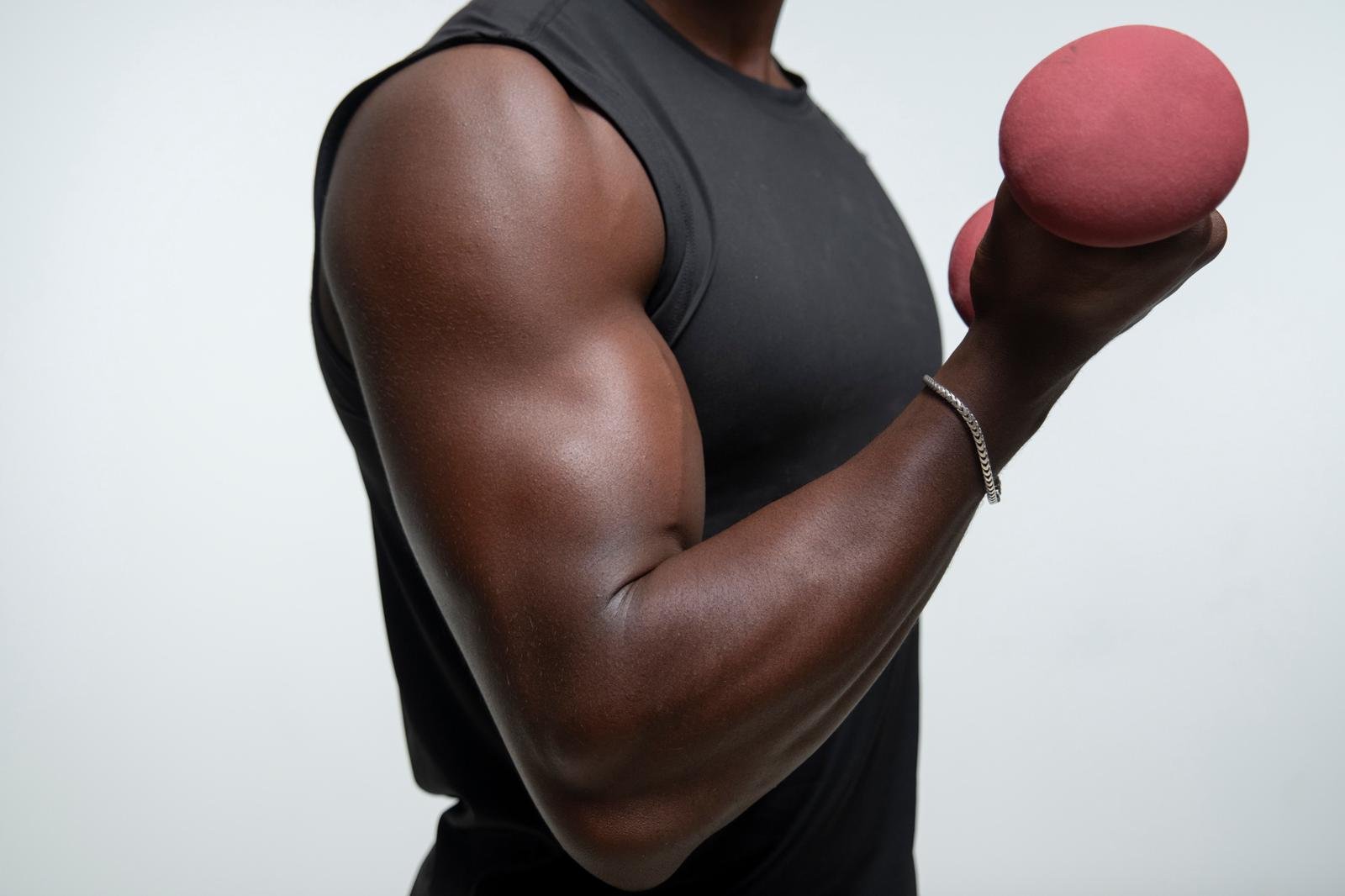
A meta-analysis of 13 studies found that training a single limb raised strength in the untrained limb by almost 8 percent. It matters most when one side is injured.
When an arm is in a cast or a knee is recovering from surgery, the muscles on that side lose strength quickly. A phenomenon known as cross-education offers a partial way around it: training the healthy limb.
Joanne Munn, Robert Herbert and Simon Gandevia, at the University of Sydney and Prince of Wales Medical Research Institute, pooled the evidence in a meta-analysis published in the Journal of Applied Physiology in 2004. They combined 13 controlled studies in which people trained one limb and the strength of the other limb was measured.
What they found
- Strength in the untrained limb rose by 7.8 percent on average (95 percent confidence interval 4.1 to 11.6 percent).
- That was about 35 percent of the gain seen in the limb that was actually trained.
- The effect appeared without any change in the size of the untrained muscle, which points to adaptations in the nervous system rather than the muscle itself.
What it means
The brain and spinal cord learn the movement pattern and how to recruit muscle fibres. Part of that learning carries over to the opposite side. It will not build muscle on the injured side, but it can slow the loss of strength while that side cannot be used.
How to apply it
- During an injury to one limb, keep training the healthy side with the same exercises, if your doctor or physiotherapist agrees.
- Use heavy, controlled sets. Studies with higher intensity tend to show larger transfer.
- Include single-arm and single-leg exercises in normal training, such as split squats, single-arm rows and one-arm presses.
- Once the injured side can train again, add it back progressively.
A note on the evidence
The studies pooled were small and varied in design. More recent research has confirmed the effect, including in people with a limb immobilised, but the size of the benefit varies between individuals and exercises.
Sources
- Munn J et al. Contralateral effects of unilateral resistance training: a meta-analysis. Journal of Applied Physiology, 2004. doi:10.1152/japplphysiol.00541.2003