Brad Pitt hurt his Achilles while playing Achilles. Men in their 40s face the same risk
Six months of training for Troy ended with a damaged tendon days before the Hector fight. Twenty-two years later he drove at 317 km/h. What changed, and why middle age is when tendons give way.
See the original post on InstagramWant more Men’s Active in your Google results?
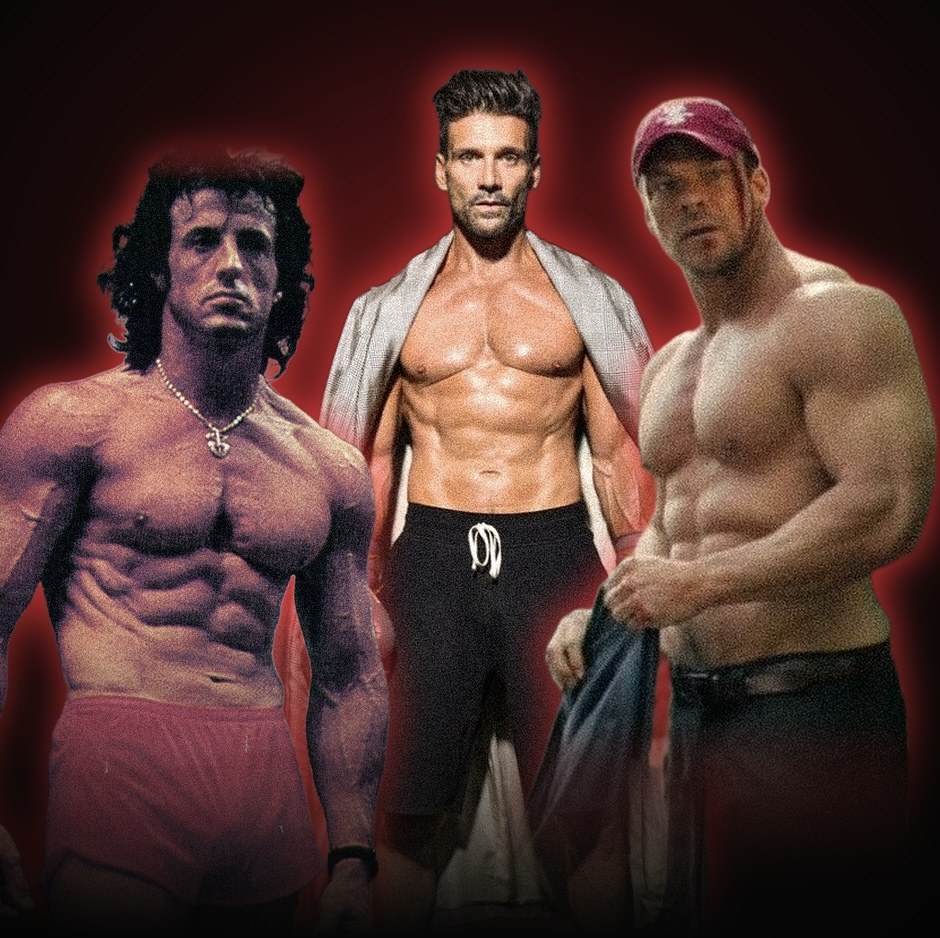
In 2003, Brad Pitt spent about six months building the body of Achilles for Troy. A few days before filming the final fight with Eric Bana's Hector, he damaged his own Achilles tendon. "In a bout of stupid irony, I tweaked my Achilles' tendon," he said later. Production stopped for weeks. He was 39.
At 61, he drove a Formula 2 car dressed as a Formula 1 car at 317 km/h (197 mph) for the film F1. The preparation that time was different: gym work, neck exercises and cold plunges.
Why it matters
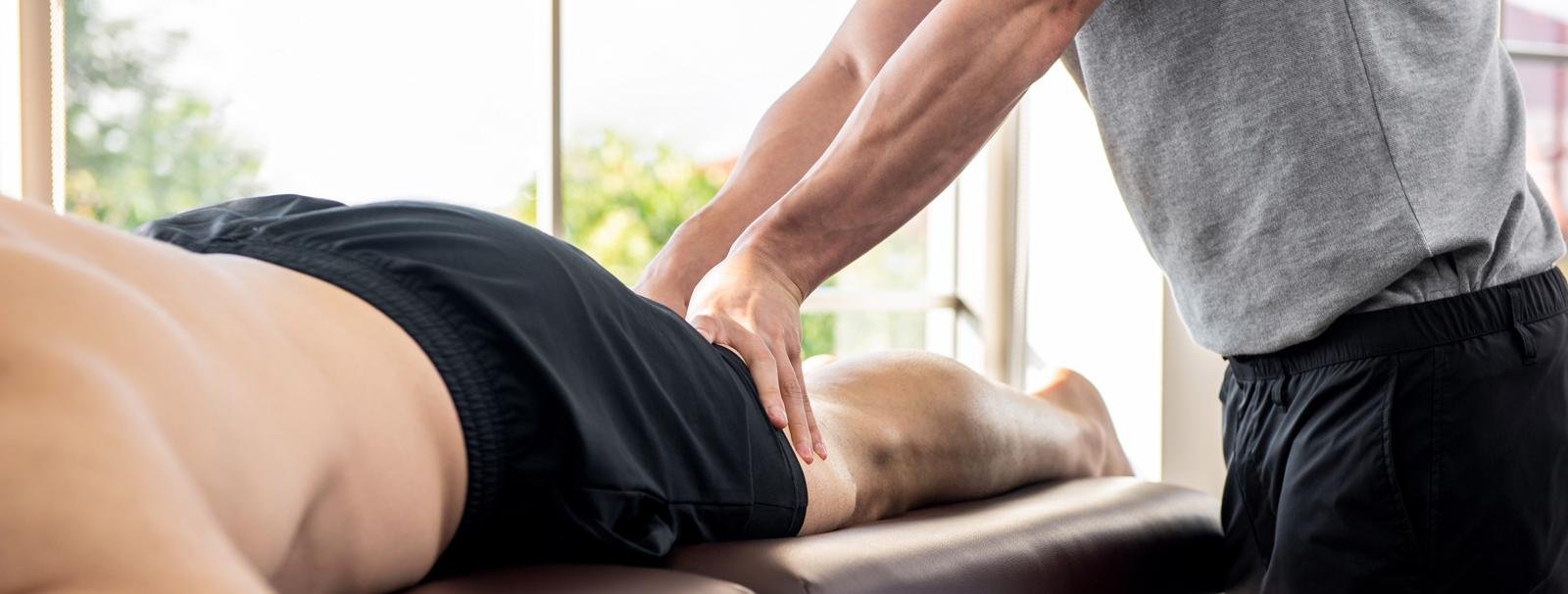
The two films frame a problem every man over 40 meets sooner or later. Muscle adapts to training within weeks. Tendons adapt far more slowly, so a body can become stronger than the tissue that connects it to the bone. Achilles injuries are rising fastest in middle age, and most happen during sport.
The full article covers the Troy programme, what the research says about loading a tendon so it keeps up with the muscle, and why one part of the F1 routine works against strength gains.
Sources
- Time. Troy Story, May 2004
- Tribune India. Everybody's Troy boy, interview with Brad Pitt, 26 June 2004
- Reuters. 'F1' film puts viewers in the driver's seat, 23 June 2025