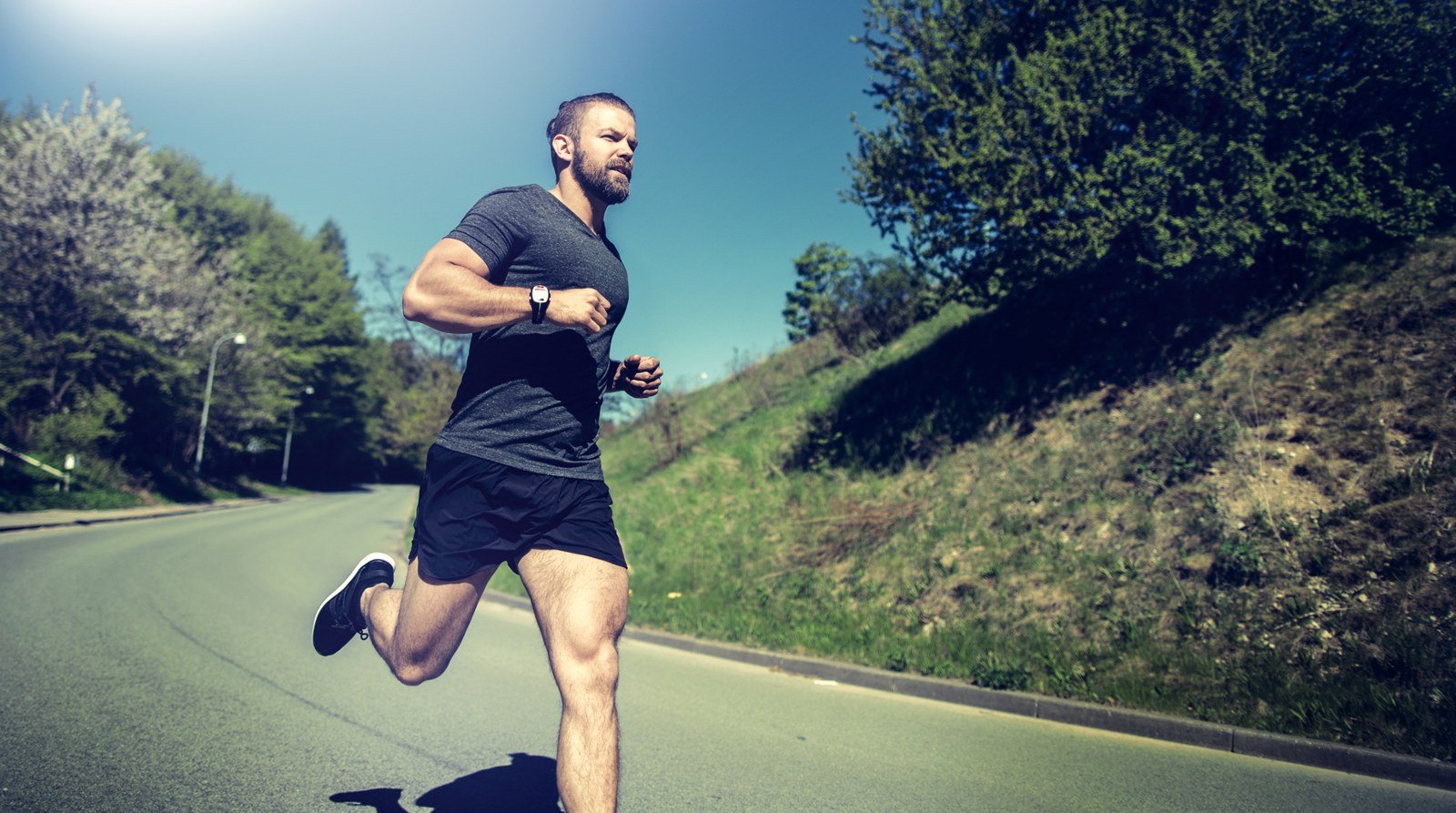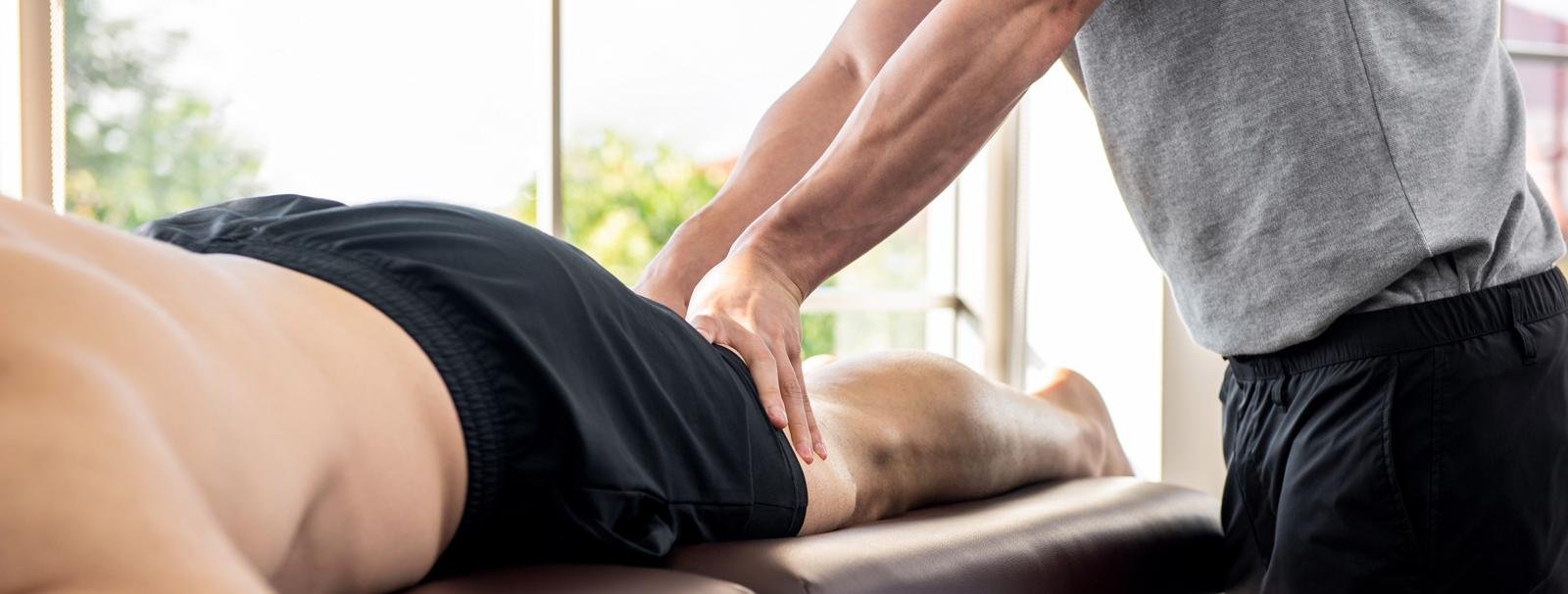
Ten minutes of massage after exercise reduced inflammation inside the muscle
Researchers massaged one leg and left the other alone after hard exercise, then took muscle samples from both. The massaged leg showed less inflammation and more signals for new mitochondria.
Massage feels good after hard training, but evidence of what it does inside the muscle has been thin. A team at McMaster University in Canada and the Buck Institute for Research on Aging in California looked directly.
Justin Crane, Mark Tarnopolsky and colleagues published the study in Science Translational Medicine in 2012. Eleven young men completed a bout of exhausting exercise designed to damage the thigh muscles. Afterwards, a therapist massaged one thigh for 10 minutes. The other thigh received no treatment.
Muscle biopsies were taken from both legs before exercise, immediately after the massage and 2.5 hours later, so each man served as his own comparison.
What they found
- In the massaged leg, two key inflammatory signals, TNF-α and IL-6, were lower.
- The rise in NF-κB, a switch that drives inflammation after muscle damage, was smaller.
- Signals for the creation of new mitochondria, the energy producers in muscle cells, were increased, including PGC-1α.
- Massage did not change glycogen or lactate levels in the muscle, two common claims about how it aids recovery.
What it means
Massage appears to act on inflammation and cell signalling, not on "flushing out" lactate. Reduced inflammation may explain why people often report less soreness after a massage.
How to apply it
- A short massage, around 10 minutes, after hard sessions is enough to trigger the effect seen here.
- Self-massage with a foam roller or percussion device is a practical alternative, though it was not tested in this study.
- Use it after particularly demanding sessions or competitions rather than after every workout. Some inflammation is part of how muscle adapts.
- Sleep and nutrition remain the foundation of recovery.
A note on the evidence
The study was small and measured short-term molecular changes, not performance or long-term training adaptations. It shows a mechanism, not proof that massage makes you fitter or stronger over time.
Sources
- Crane JD et al. Massage therapy attenuates inflammatory signaling after exercise-induced muscle damage. Science Translational Medicine, 2012. doi:10.1126/scitranslmed.3002882