A vegan diet built as much muscle as an omnivorous one when protein was high
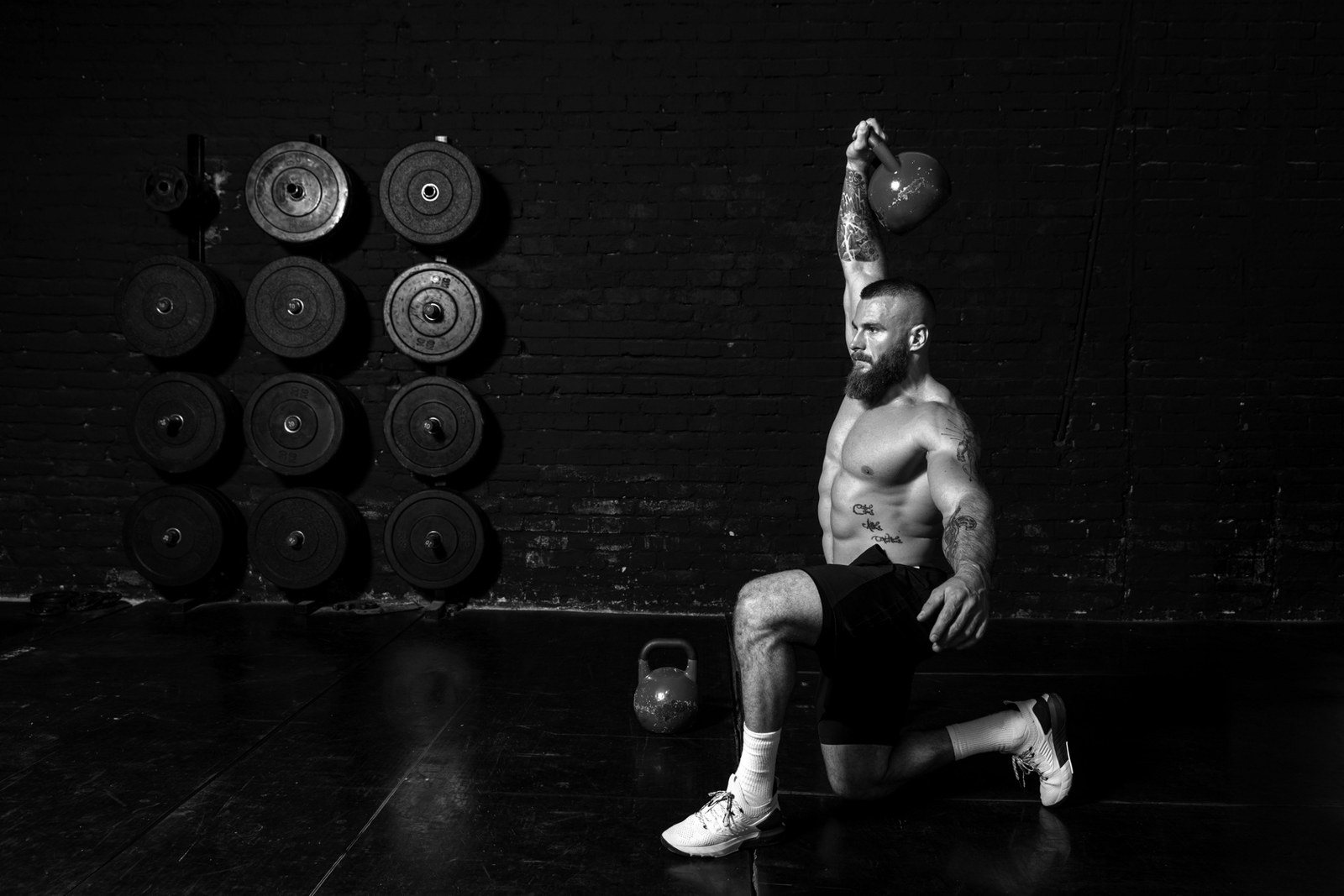
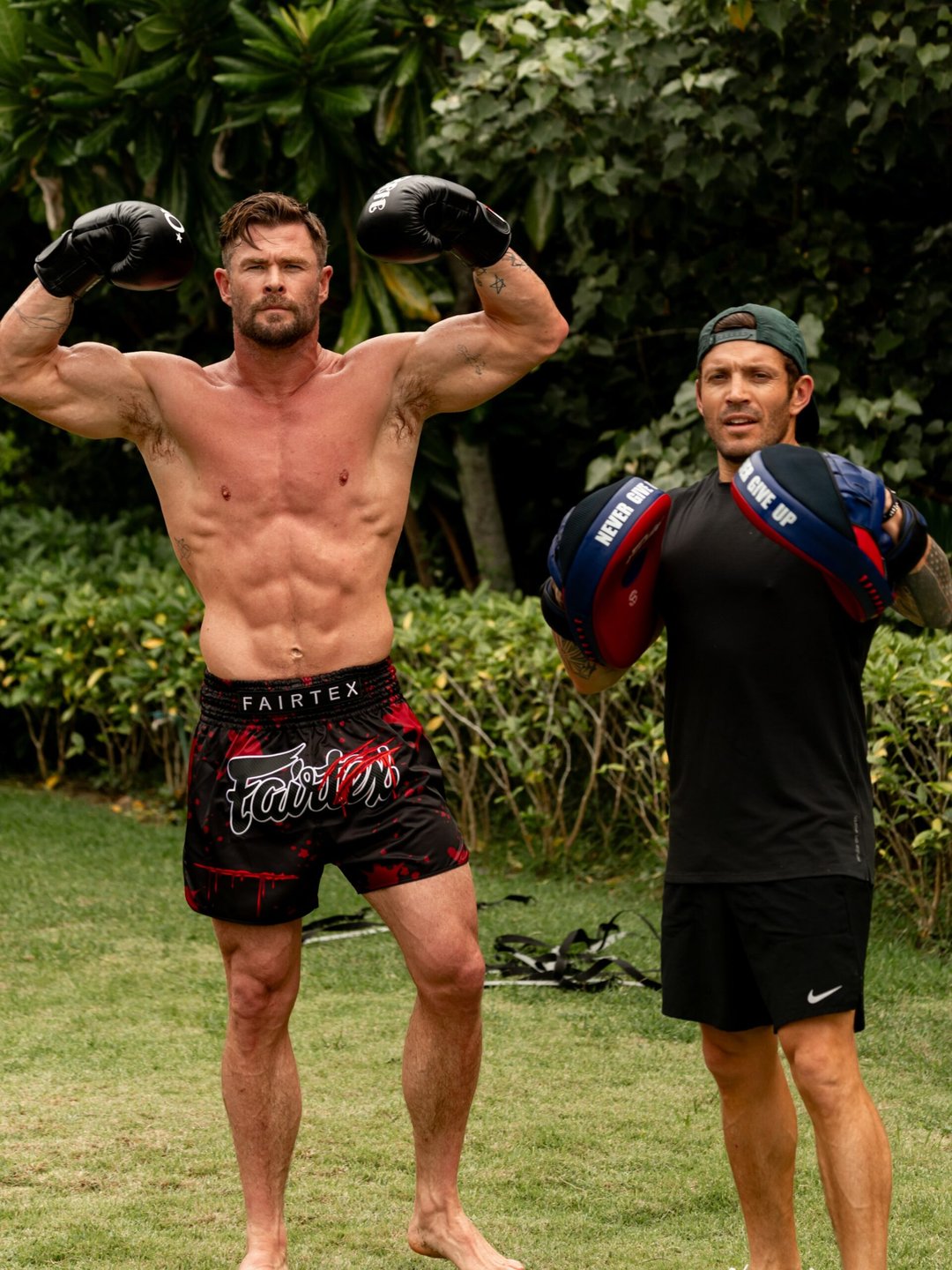
Two groups trained for ten weeks on high-protein diets. One ate meat and dairy, the other only plants. Muscle size and strength rose by the same amount in both.
Animal proteins have long been considered better for building muscle, because they contain more leucine and are more easily digested. A team at the University of Exeter tested whether that matters when total protein intake is high.
Alistair Monteyne, Benjamin Wall, Francis Stephens and colleagues published the trial in The Journal of Nutrition in 2023. Twenty-two young men and women followed a high-volume, progressive resistance programme five days a week for ten weeks. Twelve ate an omnivorous diet with most protein from animal sources; ten ate a vegan diet with protein from plants, rich in mycoprotein. Both groups ate about 2 g of protein per kg of body weight a day.
What they found
- Lean body mass increased by 3.1 kg in the vegan group and 2.6 kg in the omnivore group, a difference that was not statistically meaningful.
- Thigh muscle volume rose by 8.3 percent in both groups.
- Muscle fibre size rose by about a third in both groups, and strength gains were similar.
- In a separate three-day phase with 16 participants, daily muscle protein synthesis rates were the same on both diets.
What it means
When protein intake is high and varied, the source appears to matter little for muscle growth in young adults who are training hard. The differences in protein quality between plants and animals can be offset by eating more protein and combining sources.
How to apply it
- On a plant-based diet, aim for at least 1.6 to 2 g of protein per kg of body weight a day.
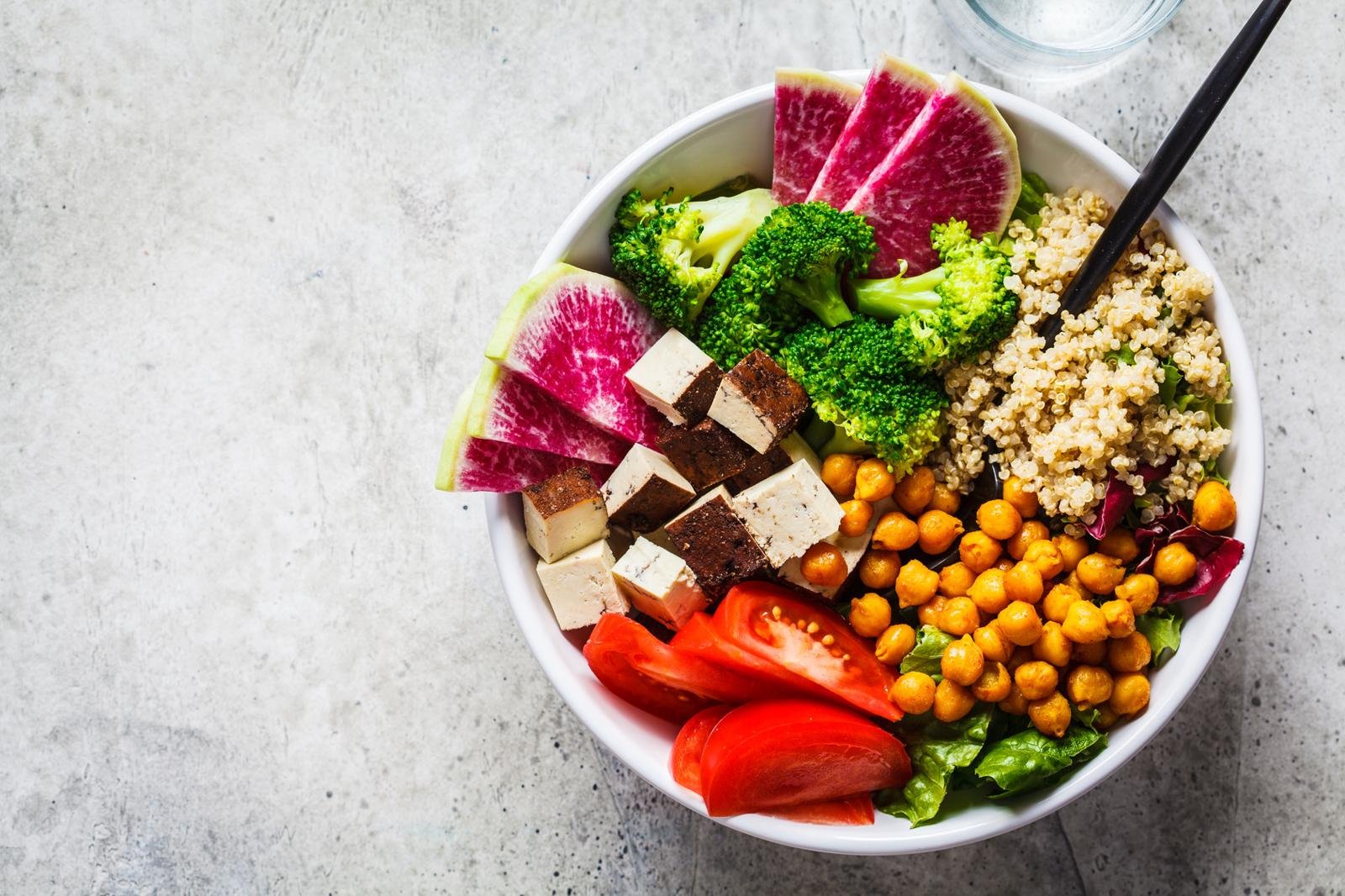
- Combine sources across the day: legumes, soy, tofu, tempeh, seitan, mycoprotein, nuts and whole grains.
- Spread protein over three or four meals.
- A plant protein powder can make high targets easier to reach.
- Consider a vitamin B12 supplement, which a vegan diet does not provide.
A note on the evidence
The study was small and short, and the participants were young and healthy, a group that responds strongly to any new programme. Older adults, who need more protein per meal, may see a bigger difference between sources.
Sources
- Monteyne AJ et al. Vegan and omnivorous high protein diets support comparable daily myofibrillar protein synthesis rates and skeletal muscle hypertrophy in young adults. The Journal of Nutrition, 2023. doi:10.1016/j.tjnut.2023.02.023