Michael B. Jordan trained up to three times a day for Creed. The research says you need far less
Jordan and trainer Corey Calliet spent months on two-a-days and six small meals. What the dose-response research says about building muscle, and how to get most of the result in a normal week.
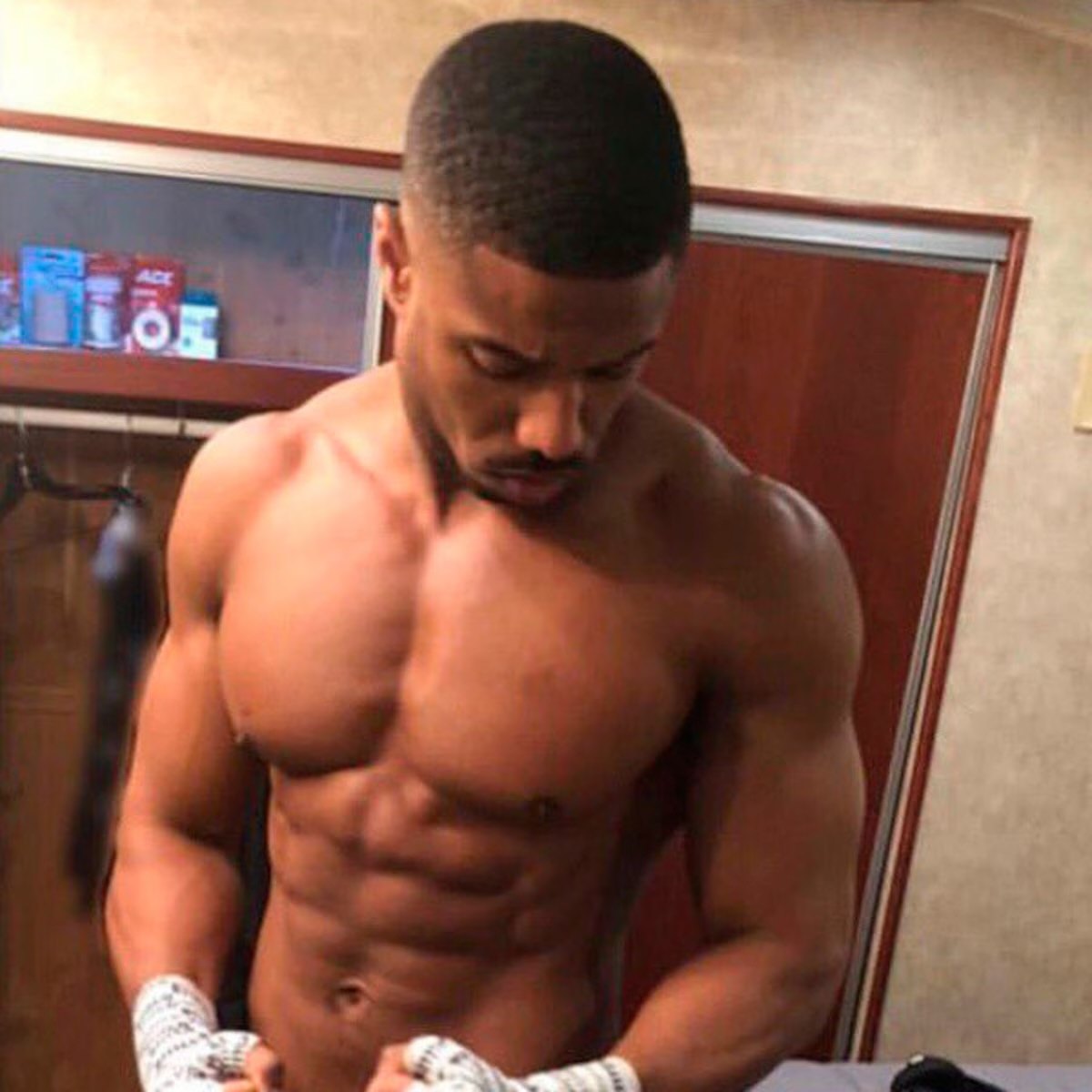
Michael B. Jordan has played a boxer three times, in Creed (2015), Creed II (2018) and Creed III (2023), and his physique changed with each film. The man behind it is trainer Corey Calliet, who has worked with him since the first Creed.
Jordan has described the preparation as two to three workouts a day, six days a week, for about ten months. Calliet has said Jordan ate six small meals a day while training. On the diet, Jordan himself was blunt in a 2015 interview with E Online: chicken, rice and broccoli, "a lot of it."
What he did
Calliet has said that when they started, Jordan was far from a natural lifter. The training combined boxing work for the role with bodybuilding sessions: high-volume sets, drop sets for the arms, and conditioning. The diet was strict and simple, with one day a week off the plan.
The schedule was a full-time job, paid for by a studio. It worked. It is also far more than most men need, or can sustain, to build visible muscle.
What the research says
Muscle growth rises with training volume, but with diminishing returns. A 2017 meta-analysis in the Journal of Sports Sciences, led by Brad Schoenfeld, pooled studies that compared weekly sets per muscle. Each extra weekly set was associated with a small additional increase in muscle size, and 10 or more weekly sets per muscle produced more growth than fewer than five.
The gains flatten well before Jordan's schedule. Ten to 20 hard sets per muscle per week, spread over two or three sessions, captures most of the available growth for most men.
Protein has a similar ceiling. A 2018 meta-analysis of 49 trials in the British Journal of Sports Medicine, led by Robert Morton, found that protein supplementation increased muscle gains from training, but the benefit levelled off at about 1.6 g per kg of body weight a day (0.7 g per lb). Six meals are not required. Enough protein across the day is.
How to apply it
- Train three or four times a week. Upper body and lower body on alternate days.
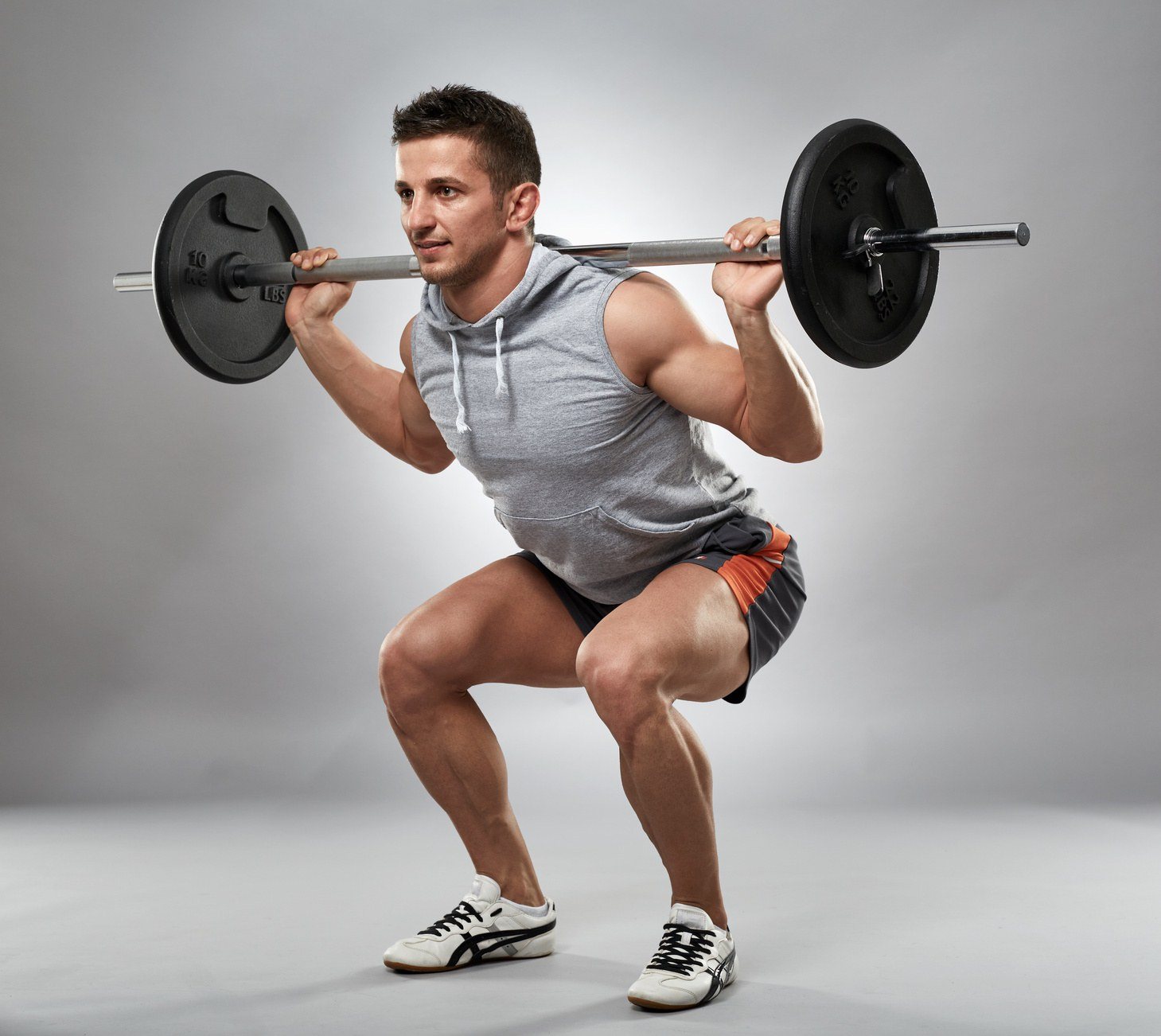
- Count sets, not hours. Aim for 10 to 20 hard sets per muscle group per week, each ending one or two reps short of failure.
- Use Calliet's drop sets sparingly. One drop set at the end of an arm or shoulder exercise adds volume quickly.
- Eat about 1.6 g of protein per kg. That is about 130 g a day at 80 kg (176 lb), over three or four meals.
- Keep one session of conditioning. Ten rounds of one minute on a bag or skipping rope, one minute rest.
Jordan's result took a studio's budget. Most of it is available in four sessions a week.
Sources
- E Online interview with Michael B. Jordan, 2015
- Men's Health. Michael B. Jordan's workout and diet with Corey Calliet, 2025
- Schoenfeld BJ et al. Dose-response relationship between weekly resistance training volume and increases in muscle mass: a systematic review and meta-analysis. Journal of Sports Sciences, 2017. doi:10.1080/02640414.2016.1210197
- Morton RW et al. A systematic review, meta-analysis and meta-regression of the effect of protein supplementation on resistance training-induced gains in muscle mass and strength in healthy adults. British Journal of Sports Medicine, 2018. doi:10.1136/bjsports-2017-097608