How much exercise do men actually need? The WHO guidelines in plain numbers
150 to 300 minutes of moderate activity, or 75 to 150 of vigorous, plus two days of strength training. What counts and how to fit it in.
Most of the advice on how much to exercise traces back to one set of recommendations: the World Health Organization's guidelines on physical activity, updated in 2020 and summarised in the British Journal of Sports Medicine by Fiona Bull and colleagues.
The guidelines for adults aged 18 to 64
- 150 to 300 minutes a week of moderate-intensity aerobic activity, such as brisk walking or easy cycling, or
- 75 to 150 minutes a week of vigorous-intensity activity, such as running, fast cycling or competitive sport, or an equivalent combination.
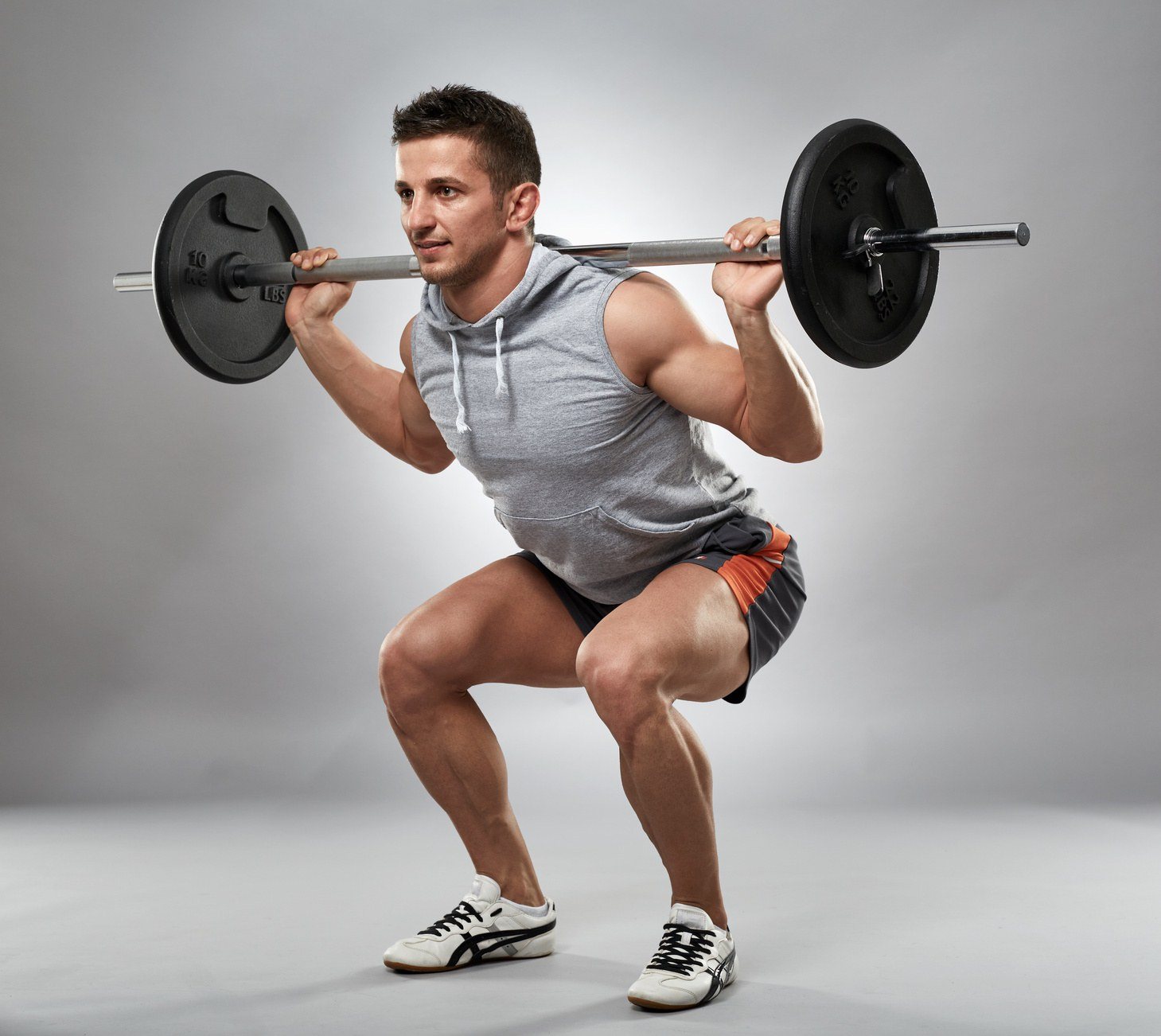
- Muscle-strengthening activity on two or more days a week, at moderate or greater intensity, involving all major muscle groups.
- Less sitting. Replacing sedentary time with activity of any intensity brings health benefits.
For additional benefits, adults can go beyond 300 minutes of moderate activity or 150 minutes of vigorous activity a week.
What changed in 2020
Earlier guidelines said aerobic activity should be done in bouts of at least 10 minutes. The 2020 update removed that requirement. Short bouts count. The guidelines also emphasise that some activity is better than none.
Adults aged 65 and over are additionally advised to include balance and strength exercises on three or more days a week to prevent falls.
Moderate or vigorous?
A simple test: during moderate activity you can talk but not sing. During vigorous activity you can say only a few words before pausing for breath. One minute of vigorous activity counts roughly as two minutes of moderate activity.
A practical week
- Monday: 45 minutes of full-body strength training.
- Tuesday: 30-minute run.
- Wednesday: 30 minutes of brisk walking at lunch.
- Thursday: 45 minutes of full-body strength training.
- Saturday: 60-minute bike ride or match.
- Every day: break up long periods of sitting.
That covers both the aerobic and the strength targets with room to spare.
A note on the evidence
The guidelines are based on a large body of mainly observational research linking activity to lower risk of death, heart disease, type 2 diabetes, several cancers, depression and dementia. They are a minimum for health, not a ceiling for performance.
Sources
- Bull FC et al. World Health Organization 2020 guidelines on physical activity and sedentary behaviour. British Journal of Sports Medicine, 2020.
- World Health Organization. WHO guidelines on physical activity and sedentary behaviour, 2020.