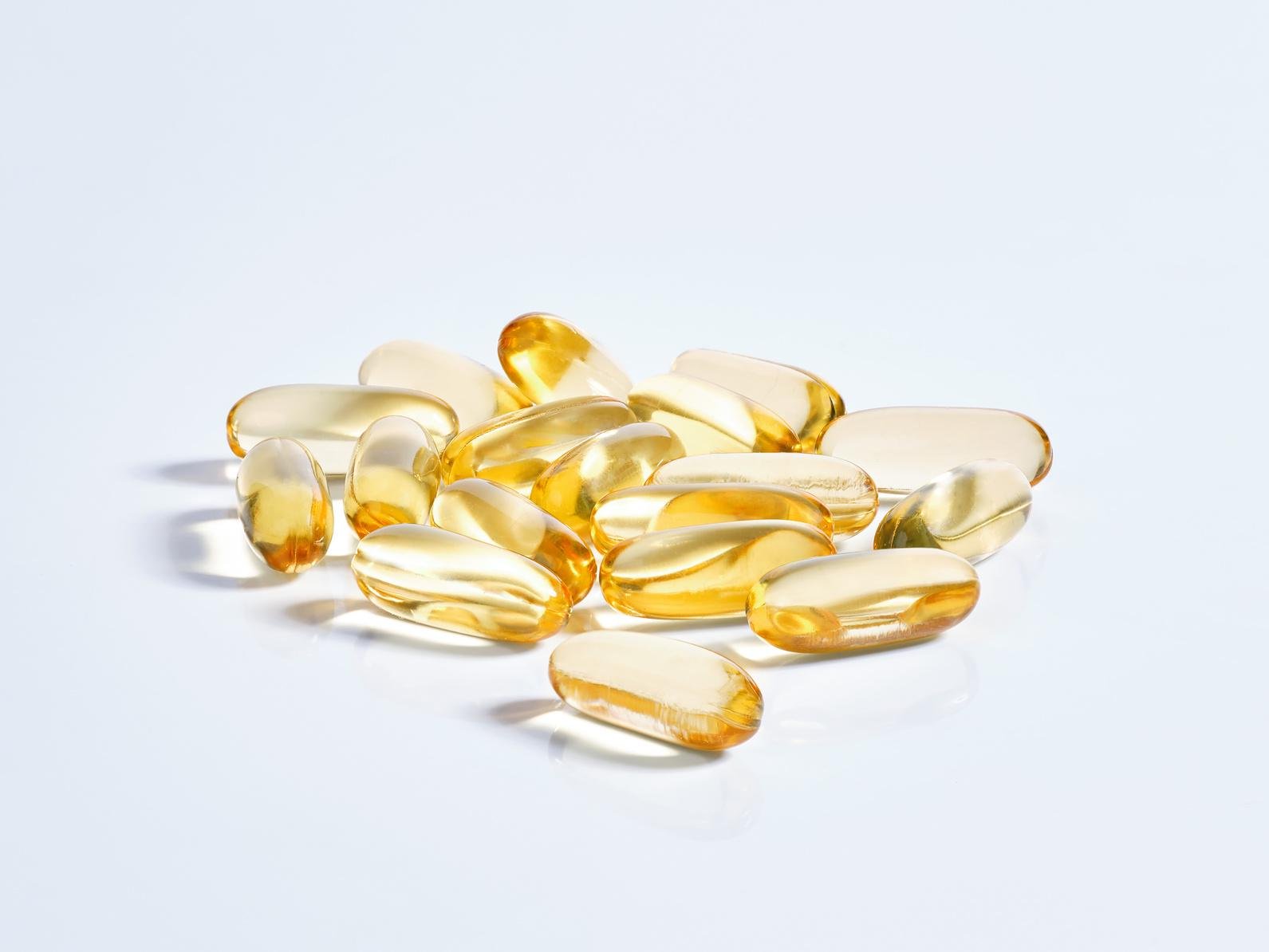
Fish oil did not prevent heart disease overall, but heart attacks fell by 28 percent
A five-year Harvard trial gave nearly 26,000 adults a daily omega-3 capsule or a placebo. The main result was neutral. One secondary finding was not.
Fish oil is one of the most widely used supplements in the world, mostly for heart health. The VITamin D and OmegA-3 TriaL (VITAL), led by JoAnn Manson at Brigham and Women's Hospital and Harvard Medical School, tested it directly.
The omega-3 results were published in the New England Journal of Medicine in 2019. The trial enrolled 25,871 American men aged 50 and over and women aged 55 and over, with no history of heart disease or cancer. Half took 1 g a day of marine omega-3 fatty acids (EPA and DHA); half took a placebo. They were followed for a median of 5.3 years.
What they found
- Major cardiovascular events (heart attack, stroke or cardiovascular death) were 8 percent lower in the omega-3 group, a difference that was not statistically significant.
- Invasive cancer rates were the same in both groups.
- Deaths from any cause were the same in both groups.
- Heart attacks on their own, a secondary outcome, were 28 percent lower in the omega-3 group.
What it means
For healthy people, a standard dose of fish oil did not reduce the combined risk of heart disease, stroke and cancer. The lower rate of heart attacks is interesting, but secondary outcomes are more likely to be chance findings and need confirming. Later analyses suggested the benefit may be larger in people who eat little fish.
How to apply it
- Eating oily fish such as salmon, sardines or mackerel twice a week remains the standard advice.
- If you rarely eat fish, a supplement is a reasonable way to raise omega-3 intake, but do not expect it to replace other habits.
- People with existing heart disease or high triglycerides should discuss prescription-strength omega-3 with their doctor, which is a different question from this trial.
A note on the evidence
VITAL was large, randomised and placebo-controlled, which makes its main result reliable. Most participants had no heart disease at the start, so the findings apply to prevention in generally healthy adults.
Sources
- Manson JE et al. Marine n-3 fatty acids and prevention of cardiovascular disease and cancer. New England Journal of Medicine, 2019. doi:10.1056/NEJMoa1811403