L-theanine, the calming compound in tea, improved stress scores and sleep in four weeks
In a Japanese placebo-controlled trial, 200 mg of L-theanine a day reduced stress, anxiety and sleep complaints, and improved some measures of mental performance.
L-theanine is an amino acid found almost only in tea leaves. It is sold as a supplement for calm focus and better sleep. A team at Japan's National Center of Neurology and Psychiatry tested it in a controlled trial.
Shinsuke Hidese, Hiroshi Kunugi and colleagues published the study in Nutrients in 2019. Thirty healthy adults, 9 men and 21 women with an average age of 48, took 200 mg of L-theanine a day or a placebo for four weeks, then switched. Neither they nor the researchers knew which tablet they were taking.
What they found
After L-theanine, compared with before:
- scores for depressive symptoms, trait anxiety and sleep quality improved,
- compared with placebo, people fell asleep faster, had fewer sleep disturbances and used less sleep medication,
- verbal fluency and executive function (planning and switching between tasks) improved.
The improvements in verbal fluency were clearest in people who started with lower scores.
What it means
L-theanine appears to have a modest calming effect without sedation. It may be most useful for people under stress whose sleep suffers as a result.
How to apply it
- A typical dose is 100 to 200 mg a day. The trial used 200 mg.
- Take it in the evening for sleep, or with morning coffee to smooth out caffeine's edge. Earlier studies found the combination improved attention.
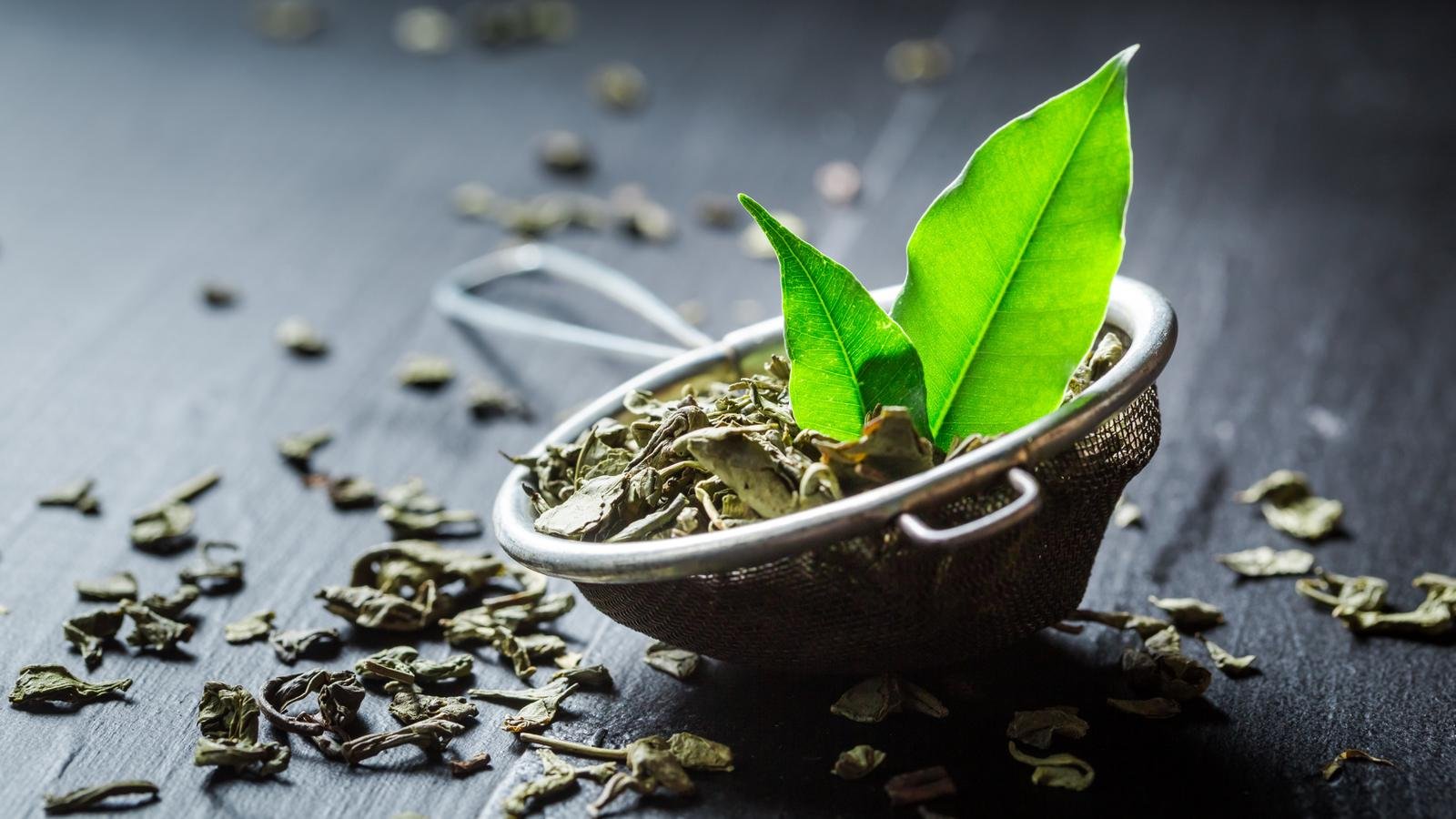
- Tea provides small amounts, roughly 10 to 30 mg a cup, far less than the trial dose.
- It is not a treatment for clinical anxiety or depression. See a professional if symptoms persist.
A note on the evidence
The trial was small, most participants were women and the effects on several measures were modest. The study was supported by a company that makes L-theanine. More and larger trials in men are needed.
Sources
- Hidese S et al. Effects of L-theanine administration on stress-related symptoms and cognitive functions in healthy adults: a randomized controlled trial. Nutrients, 2019. doi:10.3390/nu11102362