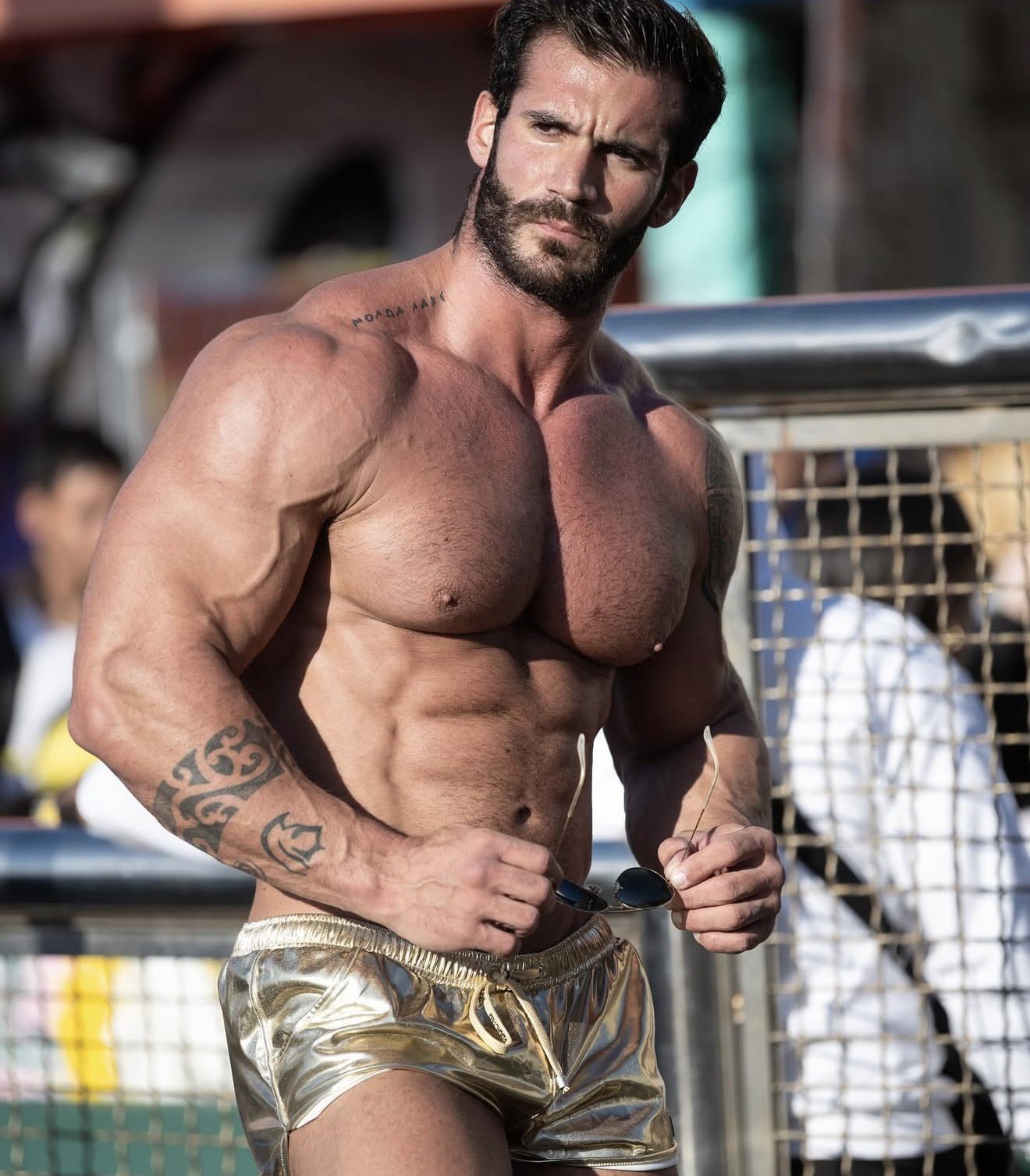
Julian Arroyuelo: "Training by sensation. That's what guides me now"
In an exclusive interview, the actor, martial artist and Krav Maga instructor explains his push, pull, legs split, why he now trains by feel, the chest exercise he would keep over dips and the muscle-building myth he wants gone.
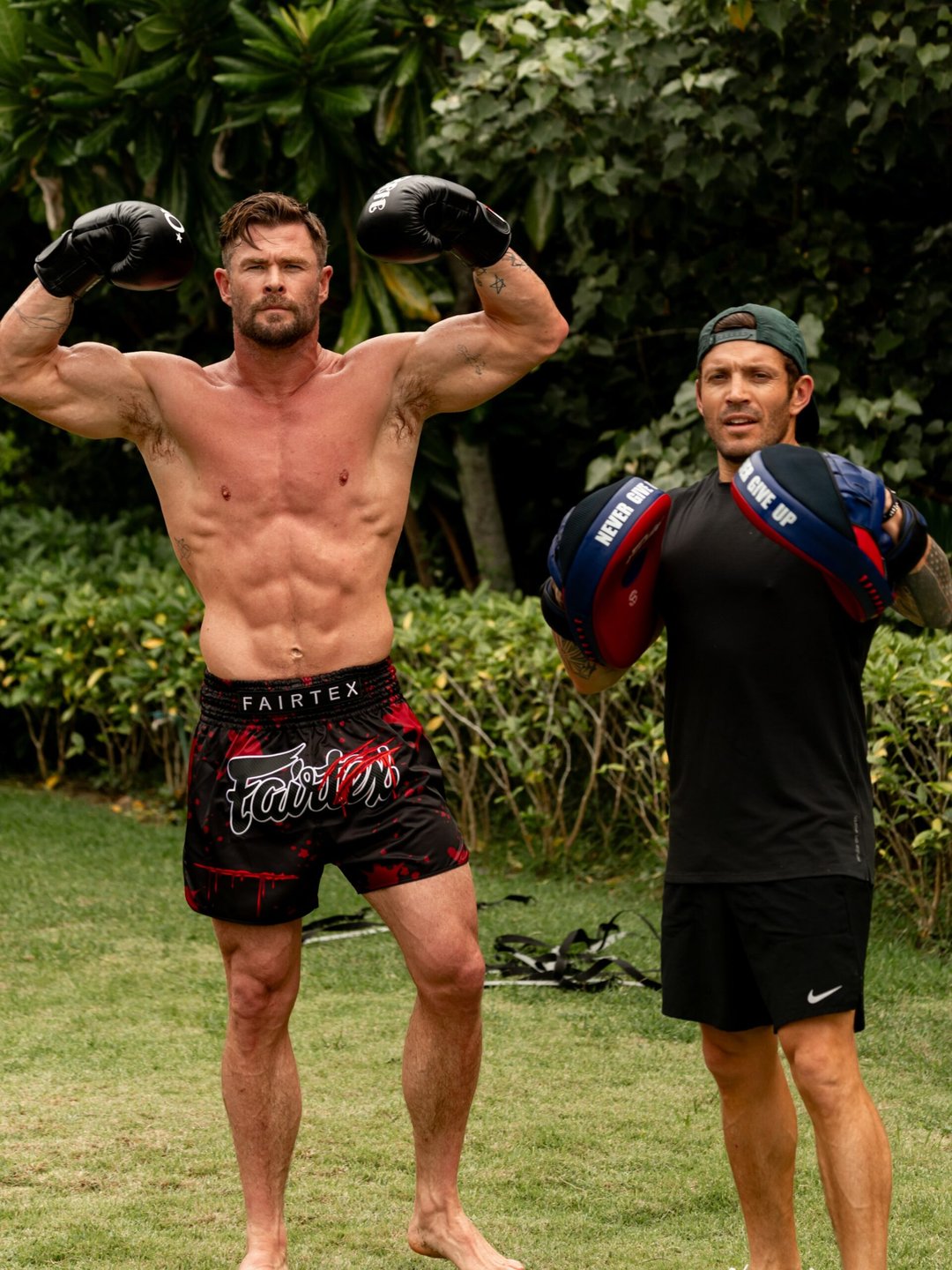
Julian Arroyuelo is an actor, a martial artist and a Krav Maga instructor. More than 316,000 people follow him on Instagram for a physique built as much for performance as for appearance.
He spoke to Men's Active about how he trains today: his split, the mind-muscle connection, recovery, nutrition and the one chest exercise he would keep. His answers have been edited for length and clarity.
Do you train arms and chest on the same day, or do you split them?
"No, my training split is push, pull, legs."
He does not use a body-part split. Push days cover chest, shoulders and triceps, pull days cover back and biceps, and legs get a day of their own. Run twice a week, the routine trains each muscle group about twice every seven days.
How he trains
How important is the mind-muscle connection in your training?
"I believe that once you master that, it's the biggest step you can take as an athlete."
For Arroyuelo, learning to feel, control and isolate the working muscle is the point at which training changes.
What's your training philosophy today?
"Training by sensation. That's what guides me now."
He no longer follows a fixed schedule. Intensity is set by how his energy and muscles respond on the day, an approach coaches call autoregulation.
What kind of recovery do you use to stay big without overtraining?
"I train based on feel nowadays. That's it. But I've never been one to set limits."
Do you ever limit yourself during training?
"Never. I've never believed in setting limits."
The chest exercise he would keep
If you could pick only one: incline dumbbell press or dips?
"Dumbbell press."
Why?
"I think even though dips are great, the press is more complete for chest development."
The incline dumbbell press works the chest through a long range of motion, with extra emphasis on the upper fibres, and each arm has to stabilise its own weight.
Nutrition and the myth he wants gone
Do you use a specific nutrition strategy to add upper body mass?
"Not really. You can't add mass in specific areas."
What's one myth about muscle building you'd like to debunk?
"You can't build mass in specific body parts only. That's not how it works."
His point is about food. No diet sends new muscle to the chest or arms; eating supports growth across the whole body.
Training is different. A muscle grows in response to the work it is given, and the more weekly sets a muscle receives, up to a point, the more it tends to grow. A 2017 meta-analysis by Brad Schoenfeld, Dan Ogborn and James Krieger in the Journal of Sports Sciences found a graded relationship between weekly sets per muscle group and muscle growth. Which muscles grow most depends on how you train them. What you eat only decides whether there is enough fuel to grow at all.
The takeaway
Arroyuelo's method comes down to three things: a simple push, pull, legs structure, close attention to the working muscle and sessions set by how his body responds rather than by a fixed plan.
Sources
- Interview with Julian Arroyuelo for Men's Active.
- Schoenfeld BJ, Ogborn D, Krieger JW. Dose-response relationship between weekly resistance training volume and increases in muscle mass: a systematic review and meta-analysis. Journal of Sports Sciences, 2017.