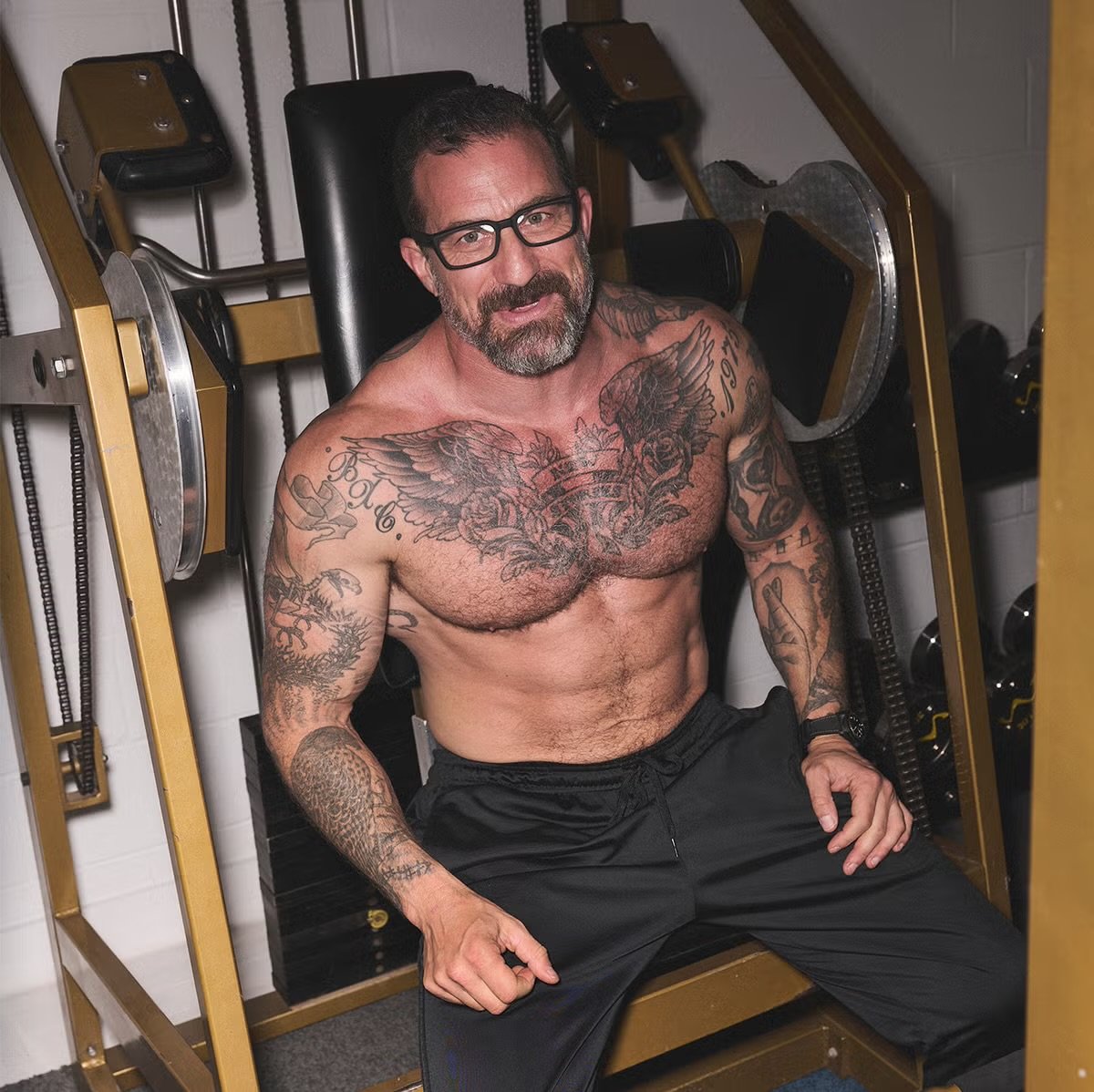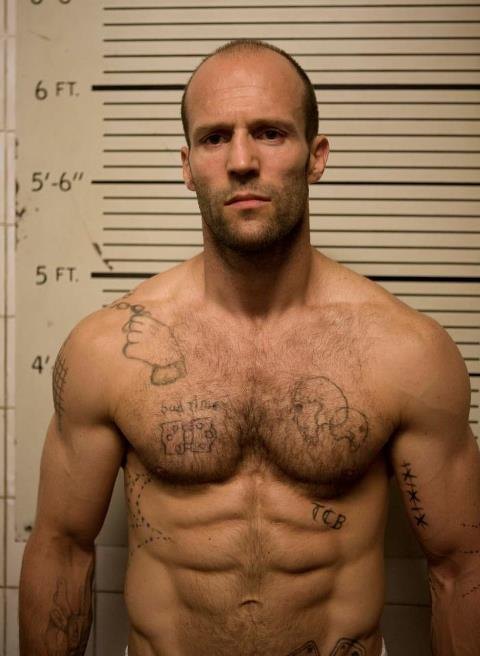
Jason Statham is 59 and still does his own fights. He trains for power, not the mirror
The former England diver has built his training around movement, variety and explosive work for two decades. What research on ageing shows about power, the quality that declines first.
Jason Statham turned 59 in September and is still one of the few action stars who performs most of his own fight scenes. Before acting, he was a competitive diver who represented England at the 1990 Commonwealth Games. He has also trained in martial arts and kickboxing for years.
He has always been clear about what he trains for. "Musclemen grow on trees," he once said in an interview quoted by Men's Health. "They can tense their muscles and look good in a mirror. So what?"
What he did
For more than a decade, Statham trained with Logan Hood, a former Navy SEAL. Their approach, as both have described it, avoids fixed routines. Sessions mix bodyweight work, Olympic-style lifts such as power cleans, gymnastic rings, rowing, sled work and martial arts, and the programme changes constantly. Hood has said every movement should be functional and natural.
His diet is simple: regular meals of lean protein, vegetables and complex carbohydrates, no fried food, little sugar and not much alcohol.
What the research says
Statham's focus on explosive movement matches what research on ageing has found. In a 2012 review in Exercise and Sport Sciences Reviews, Kieran Reid and Roger Fielding of Tufts University concluded that muscle power, the ability to produce force quickly, declines earlier and faster with age than muscle strength. Power is also more closely linked to everyday function: climbing stairs, getting up from a chair and catching yourself when you trip.
The good news is that power responds to training at any age. Lifting moderate loads with fast, controlled intent, jumping, throwing and sprinting all train it. Traditional slow bodybuilding sets build size and strength but do less for speed.
Strength still matters. A 2022 meta-analysis in the British Journal of Sports Medicine linked 30 to 60 minutes a week of muscle-strengthening activity to a 10 to 20 percent lower risk of death from all causes. Statham's training covers both.
How to apply it
- Add one power exercise to each session. Kettlebell swings, medicine ball throws or box jumps, three sets of five, done fast.
- Lift with intent. Lower the weight under control, then push it up as quickly as you can.
- Vary the programme. Change exercises every four to six weeks to keep progressing.
- Keep a skill. Martial arts, climbing or swimming add coordination that machines do not.
- Recover properly. Fast work needs freshness. Do it at the start of a session.
Statham's body is the result of training for movement. After 50, that is the training that keeps you capable.
Sources
- Men's Health. How Jason Statham stays fit at 58, 2025
- Reid KF, Fielding RA. Skeletal muscle power: a critical determinant of physical functioning in older adults. Exercise and Sport Sciences Reviews, 2012. doi:10.1097/JES.0b013e31823b5f13
- Momma H et al. Muscle-strengthening activities are associated with lower risk and mortality in major non-communicable diseases. British Journal of Sports Medicine, 2022. doi:10.1136/bjsports-2021-105061