Training by morning heart rate variability improved fitness more than a fixed plan
Finnish runners checked their heart rate variability each morning and trained hard only when it was stable. In four weeks, they improved more than men on a fixed schedule.
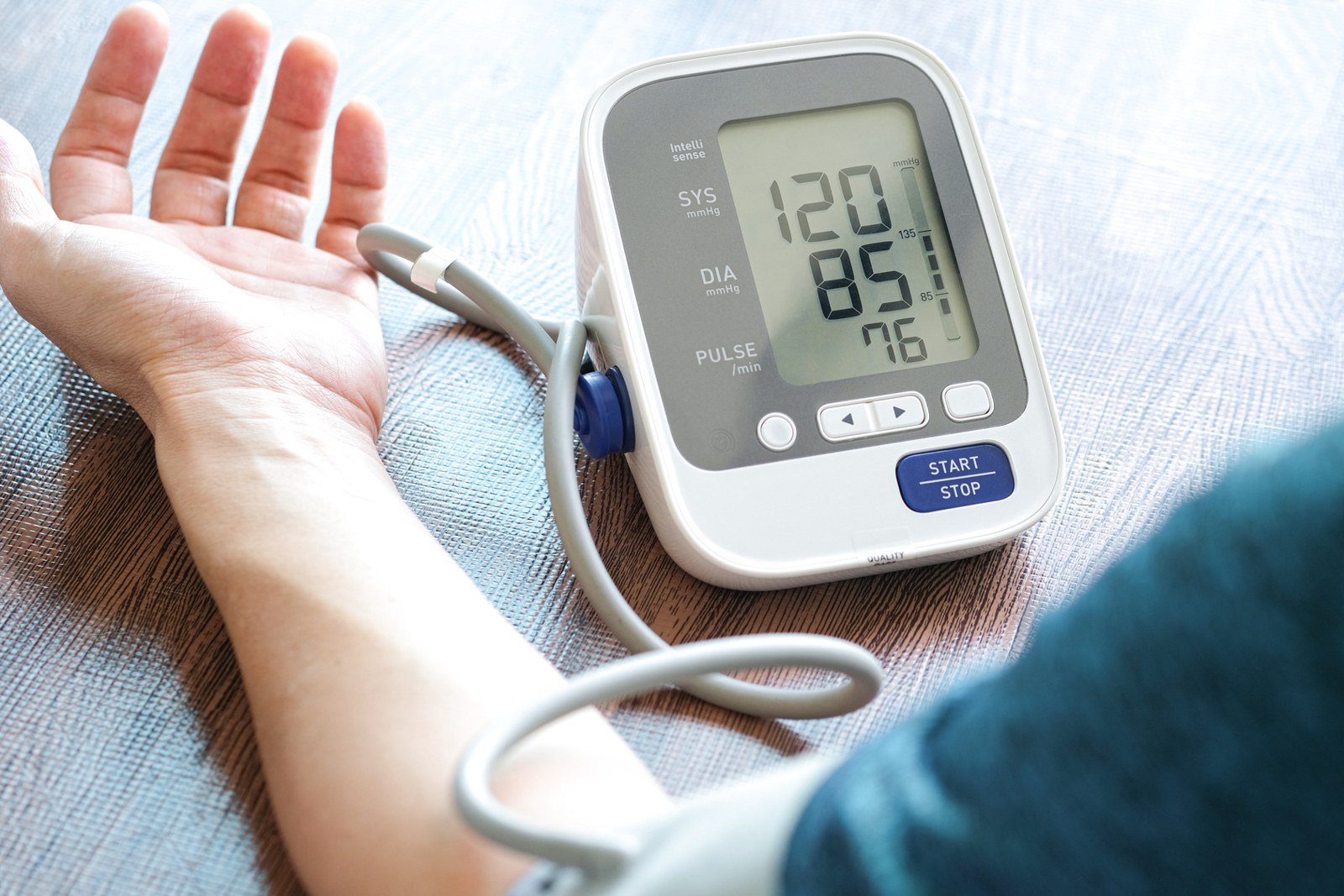
Heart rate variability (HRV) is the small variation in time between heartbeats. Higher variability generally reflects stronger activity of the parasympathetic nervous system, the "rest and recover" branch. Many watches and rings now measure it overnight. A Finnish study tested whether using it to plan training makes a difference.
Antti Kiviniemi, Mikko Tulppo and colleagues at the Verve Research institute in Oulu published the trial in the European Journal of Applied Physiology in 2007. Twenty-six moderately fit men were split into three groups for four weeks:
- a fixed plan: six 40-minute runs a week, four hard and two easy,
- an HRV-guided plan: a hard run if morning HRV was stable or higher; an easy run or rest if it had dropped,
- a control group that did not train.
What they found
- In the fixed-plan group, maximal running speed rose from 15.1 to 15.7 km/h; peak oxygen uptake did not change significantly.
- In the HRV group, maximal running speed rose from 15.5 to 16.4 km/h and peak oxygen uptake rose from 56 to 60 ml/kg/min.
- The improvement in maximal running speed was significantly greater in the HRV group.
What it means
Hard sessions done on days the body is ready appear to produce more adaptation. Easy days placed when HRV drops protect recovery.
How to apply it
- Measure HRV the same way every day: on waking or overnight with the same device.
- Track the trend against your own 7- to 10-day average, not a single reading or someone else's numbers.
- When HRV drops clearly below your normal range, swap a hard session for an easy one or rest.
- When it is normal or higher, train as planned.
- Do not let the number override how you feel; poor sleep, alcohol and illness all affect it.
A note on the evidence
The study was small, short and included only men. Later studies of HRV-guided training have mostly found similar or modestly better results than fixed plans, with fewer people overreaching.
Sources
- Kiviniemi AM et al. Endurance training guided individually by daily heart rate variability measurements. European Journal of Applied Physiology, 2007. doi:10.1007/s00421-007-0552-2