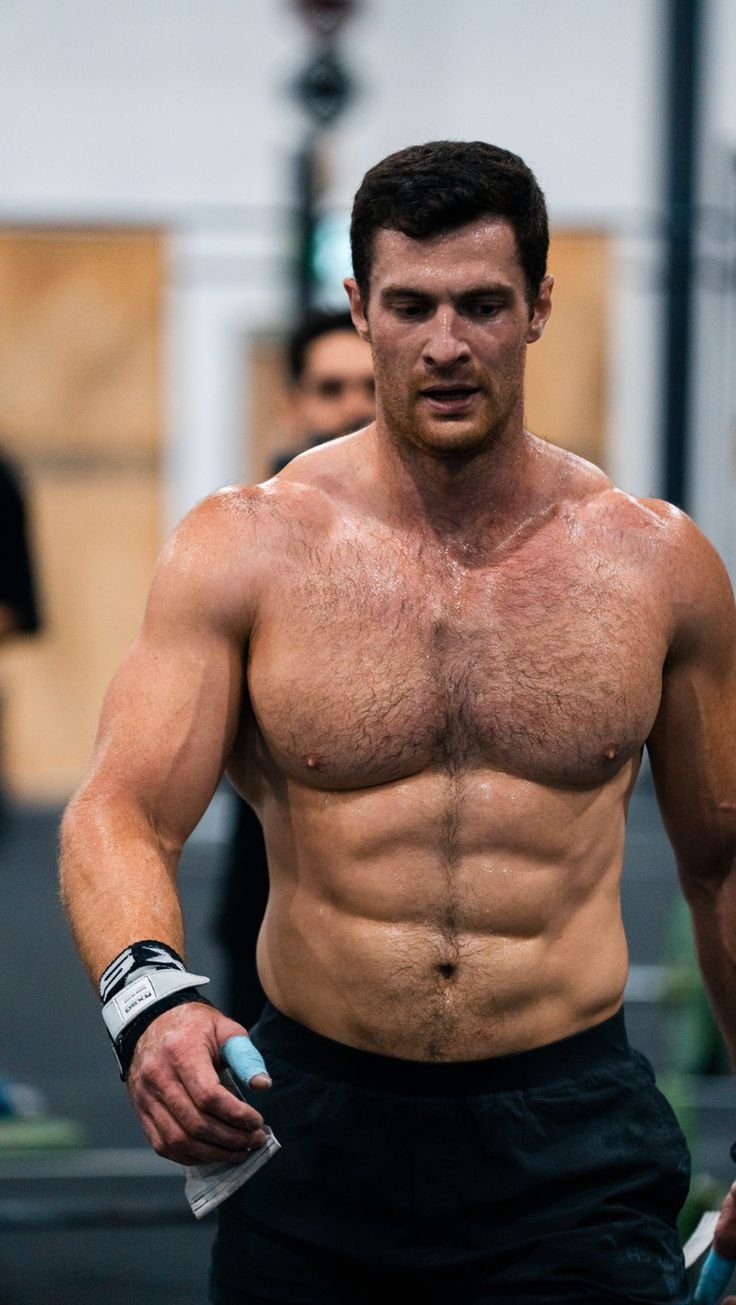
Double the protein in a hard diet and you can gain muscle while losing fat
Forty young men ate 40 percent fewer calories than they needed for four weeks while training six days a week. The amount of protein decided whether they kept their muscle.
When you eat less than you burn, the body takes energy from fat and from lean tissue. Losing muscle slows metabolism, reduces strength and makes the result look worse. The question is how much of that loss diet and training can prevent.
In 2016, Thomas Longland, Stuart Phillips and colleagues at McMaster University in Canada published a study in the American Journal of Clinical Nutrition. Forty young men with overweight were put on a diet providing about 40 percent less energy than they needed, for four weeks. All of them did intense resistance training and interval training six days a week. Half received a lower-protein diet of 1.2 g per kg of body weight a day; half received 2.4 g per kg. Meals were provided by the researchers.
What they found
- The high-protein group gained 1.2 kg (2.6 lb) of lean body mass. The lower-protein group gained 0.1 kg, essentially none.
- The high-protein group lost 4.8 kg (10.6 lb) of fat. The lower-protein group lost 3.5 kg (7.7 lb).
- Strength and fitness improved similarly in both groups.
Gaining muscle while losing fat at this rate is unusual. The authors attributed it to the combination of very high protein and demanding training.
How to apply it
- In a deficit, aim for the upper range of protein intake: around 1.6 to 2.4 g per kg of body weight a day. For an 85 kg (187 lb) man, that is roughly 135 to 205 g.
- Lift weights throughout. Protein without a training stimulus does far less to protect muscle.
- Spread protein across three or four meals.
- Keep the deficit moderate if you cannot train this hard. Forty percent is aggressive and was tested only for four weeks under supervision.
A note on the evidence
The study was small, short and limited to young men, with all food supplied. Results in older men or over longer periods may be smaller. The direction, however, matches other research showing that higher protein helps preserve lean mass during weight loss.
Sources
- Longland TM et al. Higher compared with lower dietary protein during an energy deficit combined with intense exercise promotes greater lean mass gain and fat mass loss: a randomized trial. American Journal of Clinical Nutrition, 2016.