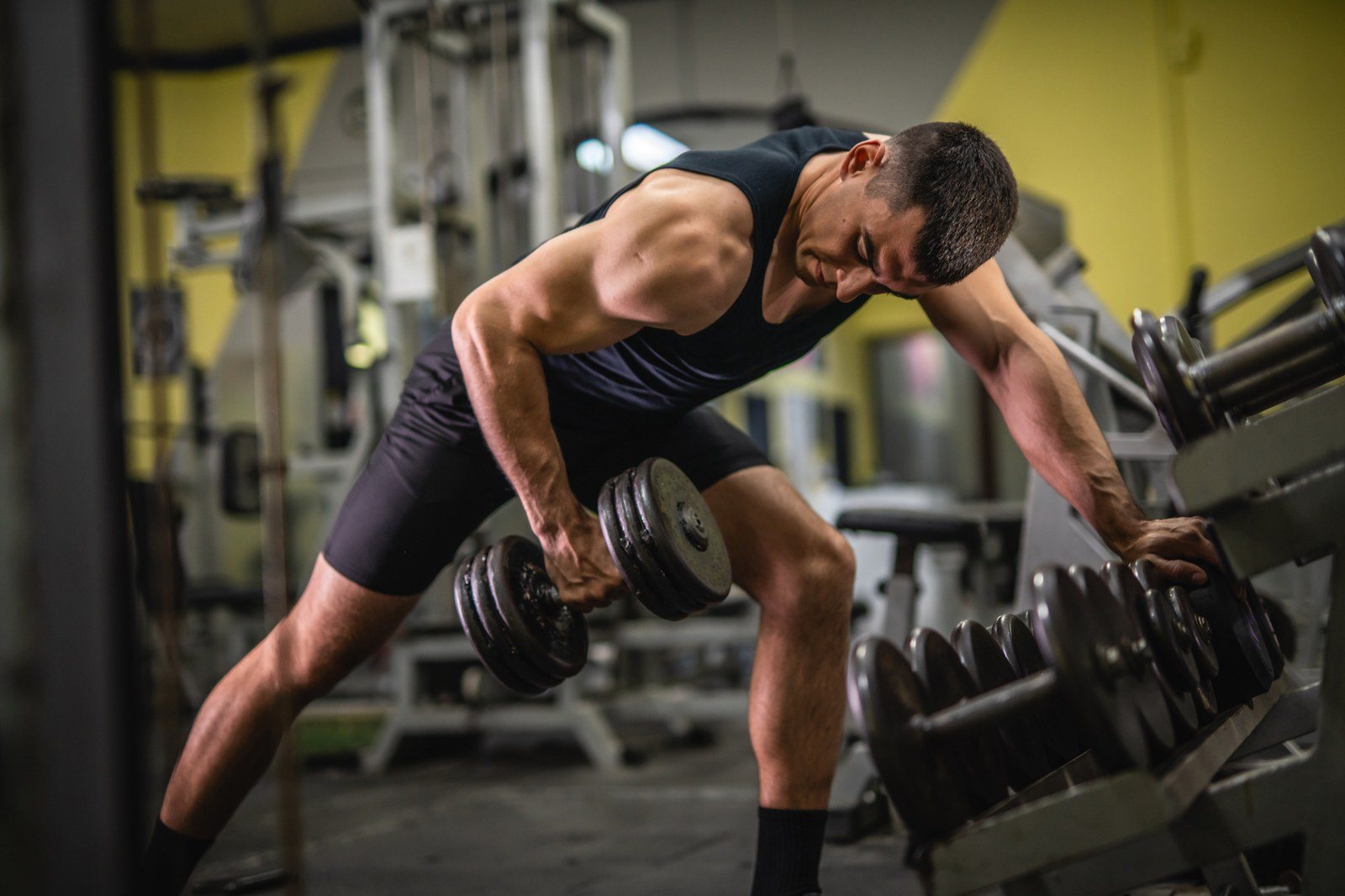
Grip strength predicted death better than blood pressure in a study of 140,000 adults
Every 5 kg drop in grip strength was linked to a 16 percent higher risk of death. What a handshake reveals, and how to train it.
Doctors measure blood pressure at almost every visit. Grip strength, which takes seconds to test with a handheld dynamometer, is rarely checked. A large international study suggests it should be.
In 2015, a team led by Darryl Leong at McMaster University in Canada published results from the Prospective Urban Rural Epidemiology (PURE) study in The Lancet. They measured the grip strength of almost 140,000 adults aged 35 to 70 in 17 countries, from high-income to low-income, and followed them for a median of four years.
What they found
After adjusting for age, education, employment, physical activity, smoking and alcohol, every 5 kg (11 lb) drop in grip strength was associated with:
- a 16 percent higher risk of death from any cause
- a 17 percent higher risk of cardiovascular death
- a 17 percent higher risk of non-cardiovascular death
- a 7 percent higher risk of heart attack and a 9 percent higher risk of stroke
Grip strength was a stronger predictor of death from any cause and of cardiovascular death than systolic blood pressure. It was not associated with diabetes, falls or fractures.
What grip actually measures
Grip is not important because of the hands. It is a simple, reliable proxy for overall muscular strength. Men with a strong grip tend to have more muscle overall and to be more physically capable as they age.
How to train it
- Deadlifts and rows done without lifting straps.
- Farmer's carries: a heavy dumbbell or kettlebell in each hand, walking for 30 to 40 metres (about 100 to 130 ft).
- Dead hangs from a pull-up bar, building towards 60 seconds.
- Pull-ups and chin-ups, which load the grip with your full bodyweight.
Two or three of these in a weekly routine are usually enough. Grip improves quickly when it is challenged directly.
A note on the evidence
PURE is an observational study. It shows that low grip strength is linked to higher risk, not that squeezing a gripper will add years to a life. The authors themselves called for trials to test whether improving strength reduces risk. The consistent message from this and other studies is that overall strength matters for health, and grip is an easy way to keep track of it.
Sources
- Leong DP et al. Prognostic value of grip strength: findings from the Prospective Urban Rural Epidemiology (PURE) study. The Lancet, 2015.