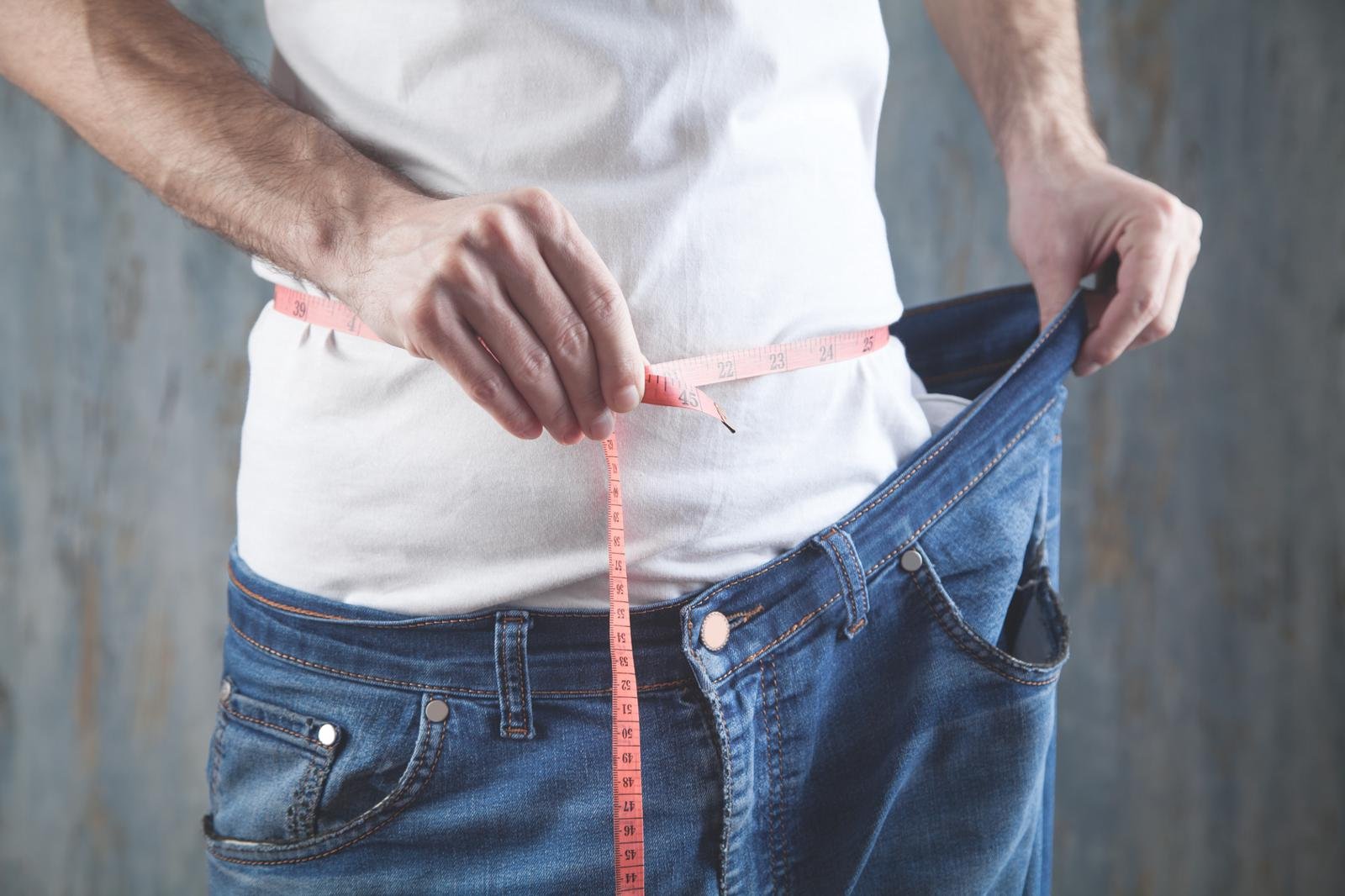
Men who took two-week diet breaks lost 50 percent more fat
In an Australian trial, men with obesity dieted either continuously or in two-week blocks with two weeks at maintenance in between. The men who took breaks lost more weight and more fat.
When you diet, your body adapts: resting energy expenditure falls further than weight loss alone would predict, and hunger rises. Researchers in Australia tested whether pausing the diet could reduce that response.
Nuala Byrne and colleagues at the University of Tasmania published the MATADOR study (Minimising Adaptive Thermogenesis And Deactivating Obesity Rebound) in the International Journal of Obesity in 2018. Fifty-one men with obesity, with an average age of about 40 and weight of about 110 kg (243 lb), were randomly assigned to 16 weeks of dieting in one of two ways:
- continuous: 16 weeks straight,
- intermittent: eight 2-week blocks of dieting, each followed by 2 weeks of eating at maintenance, for 30 weeks in total.
During the diet blocks, both groups ate 67 percent of the calories needed to maintain their weight.
What they found
Among the men who completed the programme as planned:
- The intermittent group lost 14.1 kg (31 lb), against 9.1 kg (20 lb) for the continuous group.
- Fat loss was 12.3 kg in the intermittent group and 8.0 kg in the continuous group.
- Loss of lean mass was similar in both groups.
- Weight stayed stable during the maintenance blocks.
- After adjusting for body composition, the fall in resting energy expenditure was about half as large in the intermittent group.
What it means
Breaks at maintenance calories appear to blunt the metabolic slowdown that makes long diets harder. The trade-off is time: the same 16 weeks of dieting took almost twice as long on the calendar.
How to apply it
- Plan fat loss in blocks: two weeks in a deficit, then two weeks at maintenance.
- During breaks, raise calories to maintenance, not above it. The aim is to hold weight steady.
- Keep protein high and continue strength training throughout, in both phases.
- Use the breaks for social events and holidays, when sticking to a deficit is hardest.
A note on the evidence
The study was small, and several men did not complete it. All participants were men with obesity, so results may differ for leaner men. Later trials of diet breaks have produced mixed results.
Sources
- Byrne NM et al. Intermittent energy restriction improves weight loss efficiency in obese men: the MATADOR study. International Journal of Obesity, 2018. doi:10.1038/ijo.2017.206