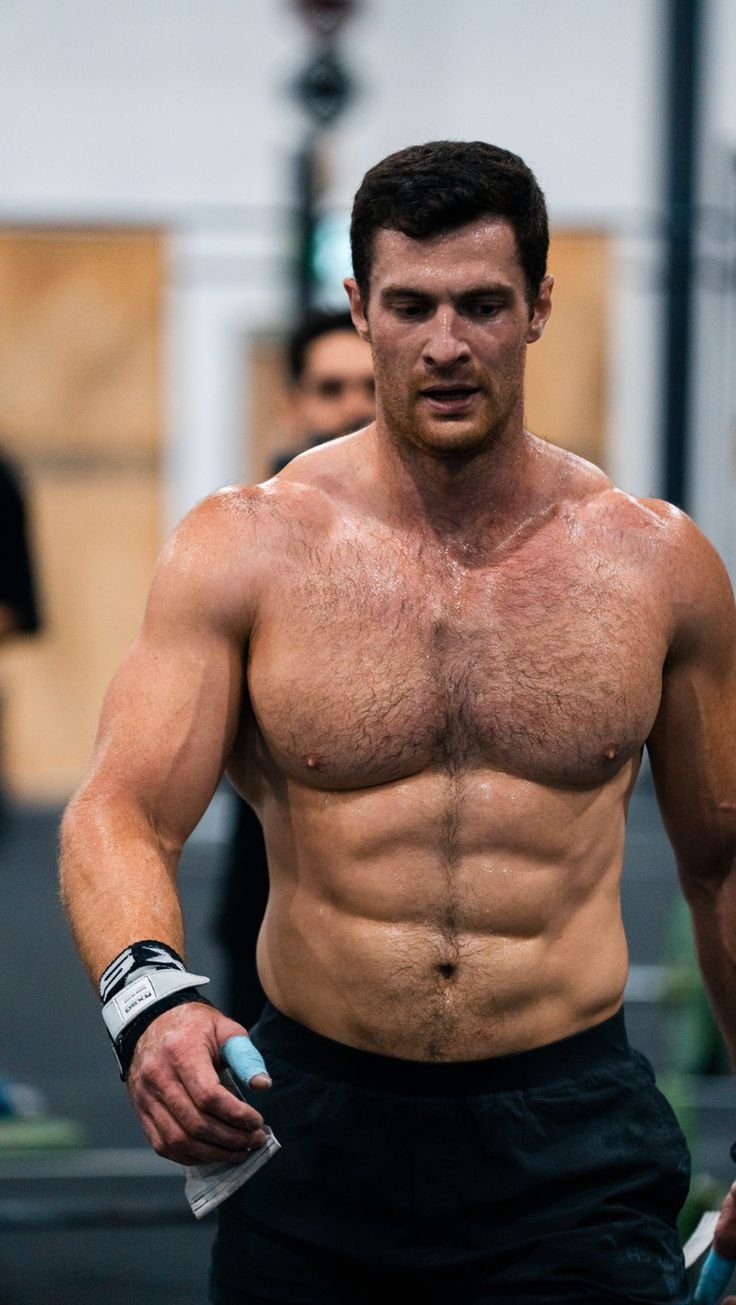
Cardio does not kill your gains. A review of 43 studies found no interference with muscle growth
Running or cycling alongside lifting did not reduce muscle growth or maximal strength. One quality suffered, and timing made a difference.
Many lifters avoid cardio in the belief that it will eat into their muscle. The idea dates back to a 1980 study and has been repeated in gyms ever since. An updated review suggests it is mostly unfounded.
In 2022, Moritz Schumann and colleagues from the German Sport University Cologne, the Karolinska Institutet and other institutions published a meta-analysis in Sports Medicine. They included 43 studies in which healthy adults followed the same strength programme with or without added aerobic training for at least four weeks.
What they found
- Adding aerobic training did not reduce gains in muscle size.
- It did not reduce gains in maximal strength.
- It did reduce gains in explosive strength, such as jumping and rapid force production.
- That loss of explosive strength was more pronounced when cardio and lifting were done in the same session than when they were separated by at least three hours.
- The results held regardless of the type of cardio (running or cycling), the number of weekly sessions, training status or age.
A separate analysis by the same group suggested that concurrent training may slightly reduce growth at the level of individual muscle fibres, even though whole-muscle size was not affected.
How to apply it
- Do cardio. Its benefits for the heart, metabolism and longevity are too large to give up for a theoretical loss of muscle.
- Separate cardio and lifting by several hours when possible, or do them on different days.
- If both happen in one session, lift first.
- Cycling and rowing place less impact on the legs than running and may be easier to combine with heavy leg training.
- Athletes who rely on speed and power, such as sprinters and jumpers, should be more careful with the total volume of endurance work.
A note on the evidence
Most studies lasted weeks to months and used moderate training volumes. Very high volumes of endurance training, such as marathon preparation, may still interfere with strength more than these results suggest.
Sources
- Schumann M et al. Compatibility of concurrent aerobic and strength training for skeletal muscle size and function: an updated systematic review and meta-analysis. Sports Medicine, 2022.
- Lundberg TR et al. The effects of concurrent aerobic and strength training on muscle fiber hypertrophy: a systematic review and meta-analysis. Sports Medicine, 2022.