Caffeine before training improves performance. The effective dose is 3 to 6 mg per kilo
Coffee is the most widely used performance enhancer in sport. What the International Society of Sports Nutrition concluded about dose and timing.
About 90 percent of adults in Western countries consume caffeine regularly. Fewer know that it is one of the best-supported aids to physical performance.
In 2021, the International Society of Sports Nutrition published a position stand on caffeine and exercise, led by Nanci Guest at the University of Toronto.
What they concluded
- Caffeine consistently improves exercise performance in doses of 3 to 6 mg per kg of body weight. The minimum effective dose may be as low as 2 mg per kg.
- Benefits include muscular endurance, movement speed, strength, sprinting, jumping and throwing, as well as a wide range of aerobic and anaerobic sport performance.
- Aerobic endurance shows the most consistent moderate to large benefits.
- Very high doses, such as 9 mg per kg, cause more side effects and do not seem to be needed.
- The most commonly used timing is 60 minutes before exercise. Caffeinated chewing gum may work faster.
- Caffeine improves performance in both trained and untrained people.
What that means in coffee
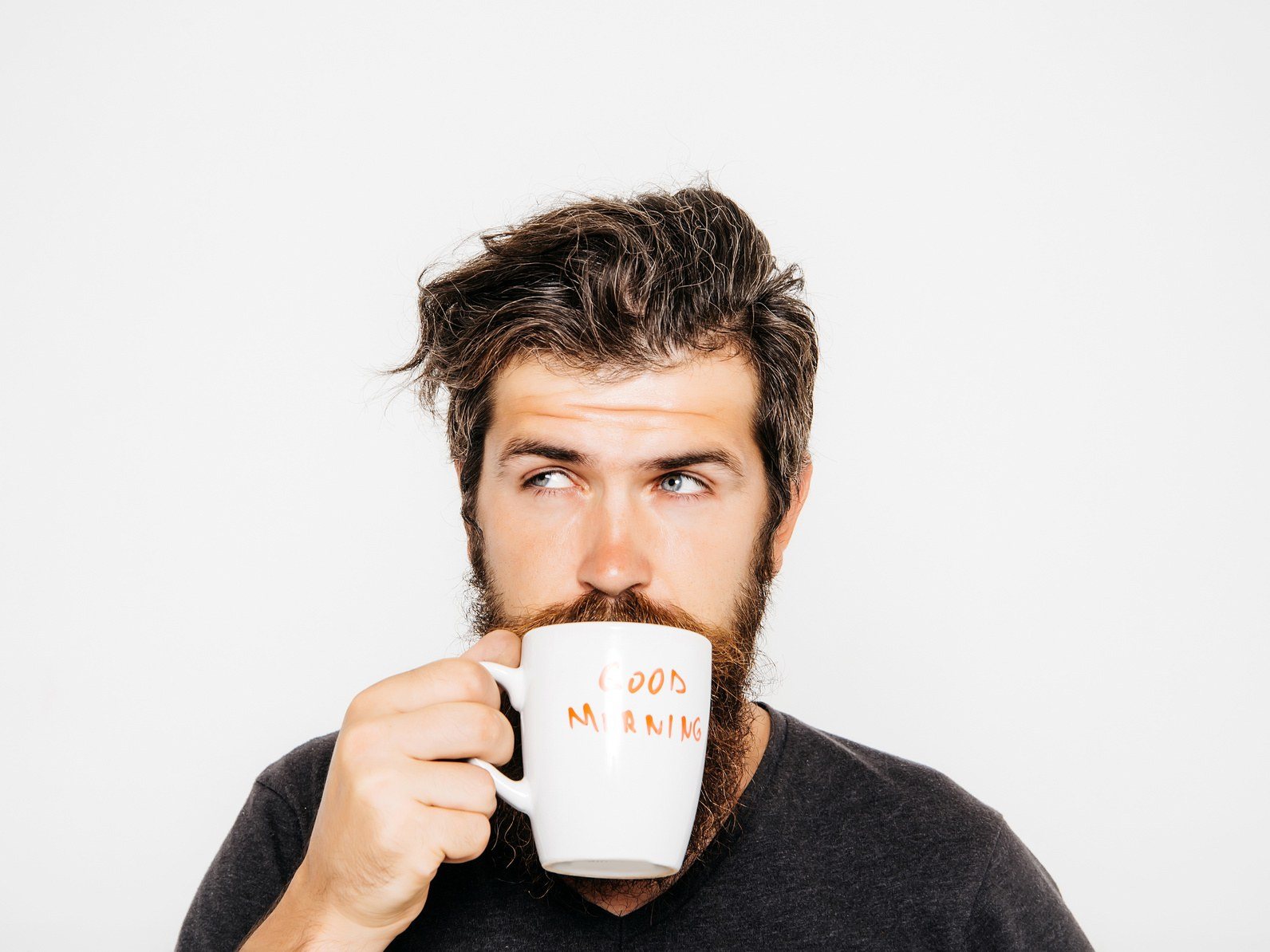
For an 80 kg (176 lb) man, 3 to 6 mg per kg is 240 to 480 mg. A typical espresso contains around 60 to 100 mg, and a large filter coffee 150 to 200 mg, although the amount varies widely. Most men will notice an effect at the lower end of the range.
How to apply it
- Start low, around 3 mg per kg, about an hour before training.
- Avoid caffeine within about six hours of bedtime. Poor sleep cancels out the gain.
- Individual responses vary, partly due to genetic differences in how quickly caffeine is metabolised. If it makes you anxious or jittery, use less.
- Energy drinks and pre-workout products work too, but check the caffeine content. Some contain more than 300 mg per serving.
A note on the evidence
Most studies tested single sessions. The effect on long-term training adaptations is less clear. People with heart conditions or high blood pressure should speak to a doctor before using high doses.
Sources
- Guest NS et al. International Society of Sports Nutrition position stand: caffeine and exercise performance. Journal of the International Society of Sports Nutrition, 2021.